
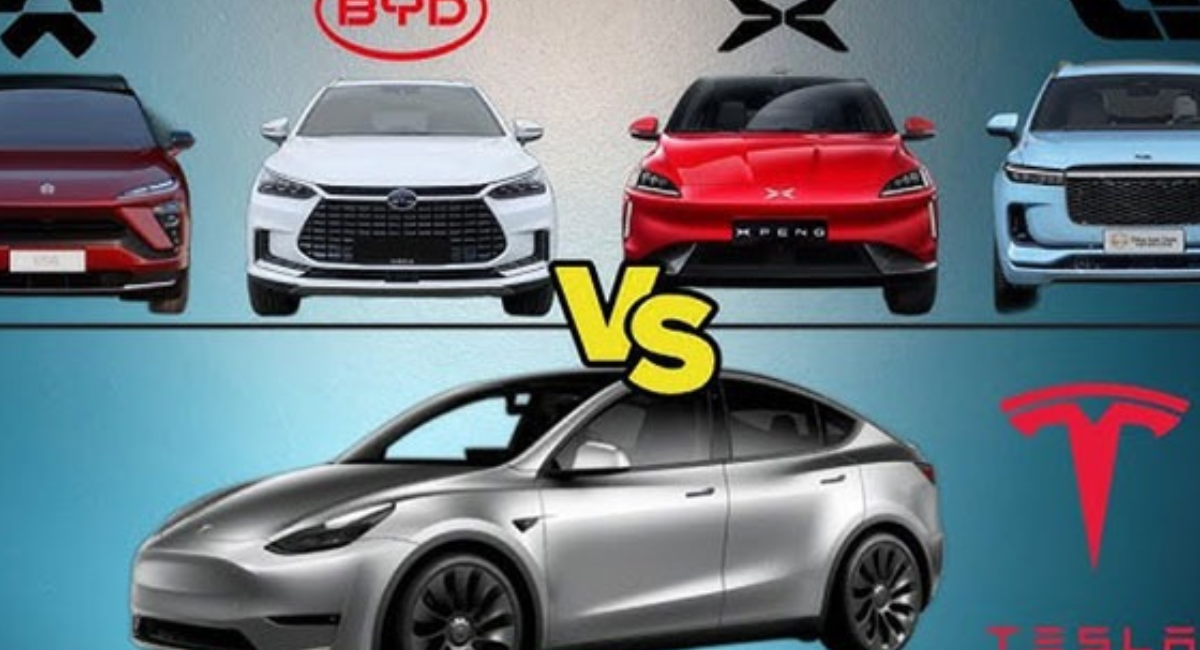
Tesla vs. Electric Cars: Key Differences, Features, and Performance
The electric vehicle market continues to grow as drivers explore cleaner transportation, advanced technology, and lower running costs. Tesla has become a well-known electric vehicle brand, while traditional automakers and new companies offer competitive alternatives.
Understanding Tesla vs. Electric Cars helps buyers compare performance, driving range, charging options, comfort, safety features, and ownership costs. The best choice depends on your budget, driving habits, charging access, and personal preferences.
What Makes Tesla Different From Other Electric Cars?
Tesla focuses exclusively on electric vehicles and related energy products, including home energy storage and charging solutions. Its vehicles combine electric powertrains, software features, connected services, and access to the Tesla Supercharger network in supported regions.
Other electric car manufacturers offer different approaches to design, comfort, practicality, and technology. Brands such as Hyundai, Kia, BMW, Mercedes-Benz, and BYD produce electric vehicles with distinct features, price points, and driving characteristics.
Tesla vs. Electric Cars: Design and Interior Comfort
Tesla vehicles feature minimalist interiors, streamlined dashboards, large central touchscreens, and simple control layouts. This design appeals to drivers who prefer a modern cabin with fewer physical buttons and software-based vehicle controls.
Other electric cars often provide more traditional interiors with physical climate controls, instrument displays, and dedicated buttons. Some models emphasize luxury materials, passenger comfort, spacious seating, or practical storage, making them attractive alternatives for different driving needs.
Tesla vs. Electric Cars: Driving Range
Driving range is an important consideration when comparing Tesla with other electric vehicles. Tesla offers models designed for different driving needs, and some versions provide competitive range depending on battery size, wheels, weather, and driving conditions.
Competing electric vehicles also offer impressive range, with certain models designed for long-distance travel and others focused on affordable daily transportation. Buyers should compare official range estimates for specific trims because battery capacity, speed, temperature, and road conditions affect real-world results.
Charging Speed and Charging Network
Tesla has built a widely recognized Supercharger network that offers convenient charging at many locations. Depending on the vehicle, charger, battery temperature, and station capacity, drivers can add substantial range during a short stop.
Other electric vehicle brands use public charging networks, home charging equipment, and workplace charging facilities. Charging access varies by country, although compatible non-Tesla vehicles can use some Tesla Superchargers where supported. Buyers should check local connector standards, network availability, and charging fees before choosing a vehicle.
Tesla vs. Electric Cars: Performance and Acceleration
Tesla vehicles are known for responsive acceleration, smooth electric power delivery, and strong performance in selected models. Electric motors provide immediate torque, helping many Tesla vehicles accelerate quickly from a standstill while delivering a quiet driving experience.
Competing electric cars also offer impressive acceleration, responsive handling, and powerful performance options. Some manufacturers prioritize sporty driving dynamics, while others focus on comfortable suspension, balanced steering, and relaxed everyday driving. A test drive can reveal which vehicle feels most enjoyable and practical.
Battery Technology and Efficiency
Battery technology affects an electric vehicle’s range, charging performance, weight, and long-term ownership costs. Tesla uses different battery chemistries across its lineup and continues to improve vehicle efficiency through powertrain engineering, software updates, and aerodynamic design.
Other manufacturers use lithium-ion battery technologies with varying chemical compositions and energy capacities. Battery efficiency depends on the vehicle’s weight, motor design, tires, temperature management, and driving conditions. Comparing energy consumption per distance can help buyers understand how efficiently each vehicle uses electricity.
Tesla vs. Electric Cars: Price and Affordability
Tesla pricing varies by model, trim, market, incentives, and optional equipment. Some Tesla vehicles compete in the mainstream electric car market, while higher-performance versions and premium models cost considerably more. Delivery charges, taxes, insurance, and financing can increase the final purchase price.
Other electric car manufacturers offer budget-friendly hatchbacks, compact SUVs, family vehicles, and premium luxury models. Buyers should compare the complete purchase price rather than focusing only on advertised starting prices. Government incentives may also affect affordability, depending on local eligibility requirements and current policies.
Maintenance and Ownership Costs
Electric vehicles generally require less routine powertrain maintenance than comparable gasoline-powered cars. They do not need engine oil changes, and regenerative braking can reduce brake wear under suitable driving conditions. However, tires, suspension components, cabin filters, coolant systems, and other parts may still require maintenance.
Tesla maintenance costs vary according to model, location, repair needs, and service availability. Other electric vehicles may offer competitive servicing costs through established dealership networks and independent repair providers. Insurance premiums, replacement parts, labor rates, and warranty coverage should be considered when estimating long-term ownership expenses.
Interior Technology and Infotainment
Tesla places considerable emphasis on software, touchscreen controls, navigation, connected features, and over-the-air updates. Supported vehicles can receive remote software updates, allowing certain functions to change or improve without a service center visit. Available features depend on the model, region, and software version.
Other electric cars offer infotainment systems with smartphone integration, digital instrument displays, voice controls, navigation, and customizable settings. Some drivers prefer Tesla’s centralized touchscreen, while others value physical buttons and familiar dashboard layouts. Buyers should test key functions before purchasing to see which interface feels easiest to use.
Driver Assistance and Safety Features
Tesla vehicles include driver-assistance technologies designed to support tasks such as maintaining speed, following traffic, and steering under supported conditions. Capabilities differ by model, software, market, and purchased options. Drivers must remain attentive and follow road laws because these systems do not make the vehicle fully autonomous.
Other electric vehicles offer features such as adaptive cruise control, lane-keeping assistance, blind-spot monitoring, automatic emergency braking, and parking assistance. Safety equipment varies by trim, so buyers should review the exact specifications and independent crash-test results for the vehicle they are considering.
Tesla vs. Electric Cars: Environmental Impact
Electric vehicles produce no tailpipe emissions while driving, which can reduce local air pollution compared with conventional gasoline vehicles. Their overall environmental impact depends on electricity generation, battery manufacturing, vehicle production, and the distance driven throughout the vehicle’s lifetime.
Tesla and competing electric vehicle manufacturers use battery materials and manufacturing processes that carry environmental costs. Cleaner electricity, efficient vehicle design, responsible battery sourcing, and recycling can help reduce the overall impact. Sustainability-focused buyers should evaluate the vehicle’s full lifecycle rather than focusing only on tailpipe emissions.
Comfort, Space, and Practicality
Tesla vehicles offer different body styles and cabin layouts, from sedans to SUVs. Depending on the model, drivers may benefit from generous cargo space, front storage compartments, flat-floor designs, and digital convenience features. Families should compare rear-seat comfort, child-seat access, visibility, and luggage capacity.
Other electric vehicles offer compact dimensions for city driving, spacious family cabins, luxury seating, and versatile cargo arrangements. Some models prioritize a higher seating position, while others emphasize a low driving position or flexible passenger space. The most practical choice depends on household size, daily travel, and regular cargo requirements.
Tesla vs. Electric Cars: Reliability and Warranty
Electric vehicle reliability depends on the model, manufacturing quality, software stability, battery management, and maintenance history. Tesla vehicles have fewer conventional engine components, but they can still experience mechanical, electrical, or software-related problems that require professional attention.
Other electric car manufacturers offer different warranty terms for vehicles, batteries, and electric-drive components. Buyers should review coverage duration, mileage limits, exclusions, roadside assistance, and local repair availability. Reliability reports and owner experiences can provide useful context, although individual vehicles may perform differently.
Read Also: Tesla Cybertruck: Features, Performance, Price, and Electric Pickup Technology
Charging at Home and on the Road
Home charging is one of the most convenient advantages of owning an electric vehicle. Drivers can install suitable charging equipment, plug in overnight, and start the day with a charged battery, provided their home electrical system supports it.
Tesla and other electric vehicles can also use compatible public charging stations during longer trips. Charging convenience depends on station coverage, connector compatibility, charging power, payment methods, and local electricity prices. Apartment residents and drivers without private parking should investigate nearby charging options before buying an EV.
Tesla vs. Electric Cars: Which Is Better for City Driving?
Tesla vehicles can work well in urban areas because electric powertrains provide smooth acceleration and quiet operation. Navigation, regenerative braking, and parking features can improve convenience, though size and charging access can affect everyday practicality.
Smaller electric cars from other brands may be easier to park on narrow streets and navigate through crowded neighborhoods. Affordable compact models can also suit drivers who mainly travel short distances. Comparing turning radius, visibility, parking assistance, range, and local charging availability helps identify a suitable city vehicle.
Which Electric Car Is Best for Long-Distance Travel?
Long-distance travel requires careful consideration of driving range, charging speed, highway efficiency, and access to public chargers. Tesla models with suitable range and access to supported Supercharger locations can provide a convenient option for drivers who frequently travel between cities.
Other electric vehicles can also handle road trips when their charging capabilities and route infrastructure meet the driver’s needs. Before traveling, plan charging stops, check station reliability, and allow extra time for weather or traffic changes. A vehicle with efficient highway performance may be more useful than one with a larger advertised range but limited charging access.
Pros and Cons of Tesla
Tesla offers several advantages, including responsive performance, a software-focused experience, competitive efficiency in selected models, and access to its charging network in supported regions. Many drivers appreciate the minimalist interior, integrated navigation, and remote software updates.
Potential disadvantages include touchscreen-heavy controls, inconsistent service availability, repair costs, and trim-to-trim equipment differences. Prices and charging access also vary by market. Prospective buyers should compare the exact vehicle configuration with competing models rather than assuming every Tesla offers the same benefits.
Pros and Cons of Other Electric Cars
Electric vehicles from other manufacturers provide a wide range of designs, cabin layouts, driving characteristics, and prices. Buyers may find physical controls, established dealership networks, premium interiors, compact body styles, or family-focused features that better match their preferences.
However, charging networks, software quality, efficiency, and service support vary widely by brand and model. Some vehicles may be less available in certain markets or charge more slowly than competing options. Reviewing specifications, local support, and independent reviews helps buyers make an informed decision.
How to Choose Between Tesla and Other Electric Cars
Start by identifying your daily driving distance, budget, passenger requirements, and access to home or public charging. Compare the total cost of ownership, including financing, electricity, insurance, maintenance, taxes, and expected depreciation rather than focusing only on the purchase price.
Next, compare the specific models that fit your needs. Review range estimates, charging compatibility, safety ratings, warranty coverage, cabin comfort, and software features. Test-drive your preferred options and confirm that charging stations and qualified service centers are accessible in your area before making a final decision.
Frequently Asked Questions
Is Tesla better than other electric cars?
Tesla may be a strong choice for drivers who value its software experience, charging integration, and selected performance or efficiency features. Other electric cars may suit buyers who prioritize affordability, traditional controls, luxury interiors, or local service options.
Do Tesla cars have better range?
Some Tesla models offer competitive driving range, but the result depends on the exact trim and competing vehicle. Compare official range estimates with independent real-world tests, and account for temperature, highway speeds, tires, and driving habits.
Are other electric cars cheaper than Tesla?
Some competing electric vehicles cost less than Tesla models, while premium alternatives can be considerably more expensive. Actual affordability depends on local prices, taxes, incentives, financing, insurance, and charging costs.
Can non-Tesla electric cars use Tesla Superchargers?
Some non-Tesla vehicles can access compatible Superchargers, depending on the vehicle, connector, adapter requirements, and market. Check current network availability and compatibility before relying on a particular charging station.
Are electric cars cheaper to maintain?
Electric cars often require less routine powertrain maintenance than gasoline vehicles. However, tires, repairs, insurance, battery-related issues, and replacement parts can affect overall ownership costs.
Should I buy a Tesla or another electric car?
Choose the vehicle that best matches your budget, driving habits, charging access, comfort preferences, and local service options. Comparing actual models and taking test drives is more useful than choosing based on brand reputation alone.
Conclusion
The comparison of Tesla vs. Electric Cars shows that Tesla is one option in a diverse electric-vehicle market. Its software features, charging integration, and performance appeal to many drivers, while competing brands offer different prices, interior designs, comfort levels, and practical features.
The right electric vehicle depends on your personal requirements, not the badge on the hood. Compare range, charging access, safety, reliability, warranties, and total ownership costs before deciding.
Leave a Comment