
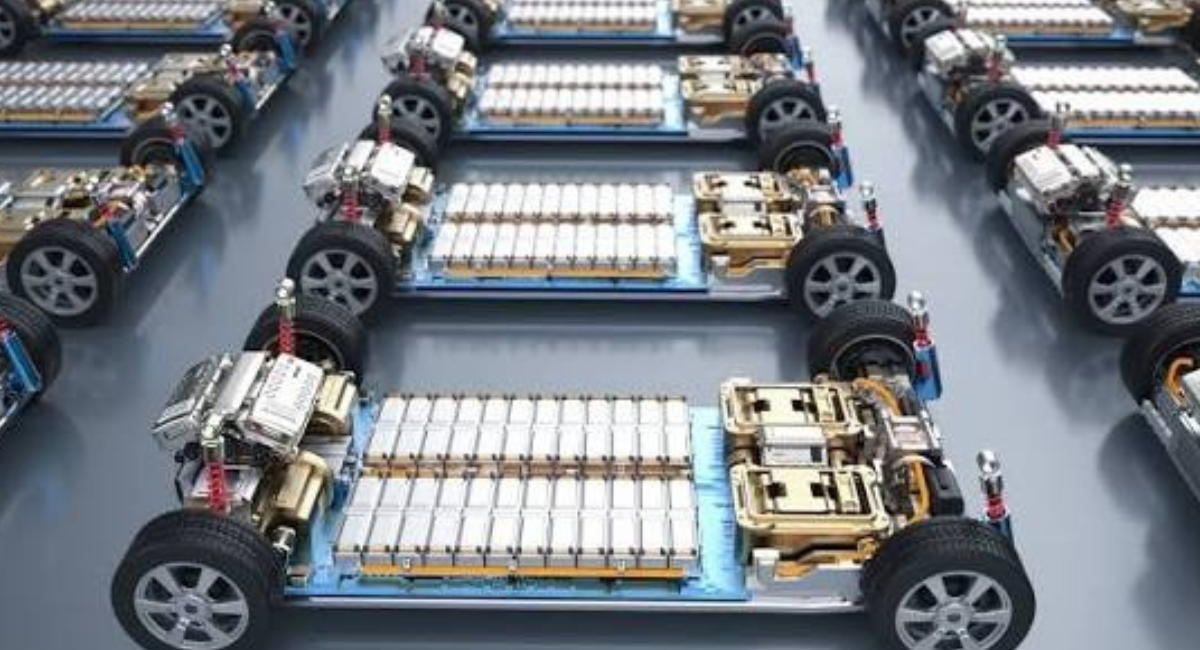
Tesla Battery Technology: Innovation, Performance, and the Future of Electric Vehicles
Tesla Battery Technology plays a key role in developing electric vehicles and modern energy storage systems. Tesla focuses on battery chemistry, cell design, thermal management, and intelligent software to improve driving range, charging performance, durability, and vehicle efficiency.
Understanding Tesla Battery Technology helps drivers and technology enthusiasts learn how electric cars store energy and deliver power. From lithium-ion batteries to innovative manufacturing methods, Tesla continues to develop battery systems designed to support electric mobility and reduce dependence on traditional fuel-powered transportation.
What Is Tesla Battery Technology?
Tesla Battery Technology refers to the combination of battery cells, electrical components, cooling systems, protective structures, and software used to store and deliver energy. These systems supply electricity to electric motors and help vehicles operate efficiently under different driving conditions.
Tesla also develops battery technology for stationary energy storage products. These systems can store electricity for homes, businesses, and power grids, demonstrating how battery innovation extends beyond electric cars into renewable energy and electricity management.
How Tesla Batteries Work
Tesla vehicles generally use rechargeable lithium-ion batteries that store electrical energy through electrochemical reactions. During driving, energy flows from the battery pack to the electric motors, which convert electrical power into mechanical movement and propel the vehicle.
When a vehicle connects to a charger, electrical energy moves back into the battery cells. Regenerative braking can also recover some energy during deceleration and return it to the battery, improving overall efficiency and helping extend driving range.
Lithium-Ion Battery Chemistry
Lithium-ion chemistry is central to Tesla Battery Technology because it balances energy storage, rechargeability, and weight. Lithium ions move between the battery’s electrodes, storing energy during charging and releasing it when the vehicle needs power.
Different battery chemistries offer different advantages. Nickel-rich chemistries can deliver higher energy density for applications that require greater range, while lithium iron phosphate batteries can offer durability and cost benefits. Tesla selects battery configurations according to product requirements, availability, and performance goals.
Tesla 4680 Battery Cells
The Tesla 4680 battery cell is a cylindrical format designed to improve manufacturing, energy storage, and battery pack design. Its larger physical dimensions can reduce the number of individual cells needed for a given battery capacity, although overall performance depends on chemistry, production quality, and pack integration.
Tesla has also developed manufacturing processes to simplify cell production and reduce costs. Its dry-electrode approach aims to reduce reliance on solvent-based processing, potentially lowering manufacturing energy requirements and improving production efficiency as the technology scales.
Battery Pack Design and Structure
Tesla Battery Technology involves more than individual battery cells. Engineers arrange cells into integrated packs with electrical connections, monitoring electronics, protective structures, and thermal management components that work together to deliver reliable power.
Some Tesla battery designs integrate structural functions into the vehicle itself. This approach can reduce the need for separate components and help optimize weight, manufacturing complexity, and space. However, the benefits depend on the specific vehicle design and how effectively the battery pack integrates with its structure.
Battery Management System
A battery management system monitors important operating conditions, including voltage, current, and temperature. It controls charging and discharging, balances cells, estimates available energy, and protects the battery from conditions that could affect performance or safety.
Software also helps Tesla vehicles estimate driving range and manage battery operation under changing conditions. Battery readings are estimates, not perfect measurements, and actual performance can vary with temperature, driving style, battery age, and other environmental factors.
Tesla Battery Safety Features
Battery safety is essential to Tesla Battery Technology. Battery packs incorporate protective structures, temperature controls, electrical monitoring, and engineering measures designed to reduce the likelihood of a problem affecting the entire pack.
Tesla describes a layered safety approach that includes testing individual cells and complete battery systems. Thermal barriers and cooling arrangements are intended to limit heat spread if a cell fails. These protections reduce risks but cannot eliminate every possible battery hazard.
Battery Cooling and Temperature Management
Temperature management helps maintain battery performance during driving, charging, and periods of extreme weather. Tesla uses heating and cooling systems to keep battery cells within suitable operating conditions, supporting consistent operation and helping limit unnecessary degradation.
Cold temperatures can temporarily reduce available power, charging speed, and driving range. Excessive heat can accelerate battery aging, making effective cooling important for long-term durability. Battery preconditioning can prepare the pack for charging when supported by the vehicle and charging route.
Tesla Battery Charging Technology
Charging performance depends on battery chemistry, temperature, charger output, the vehicle’s state of charge, and the electrical system. Tesla vehicles can charge with compatible home charging equipment or at suitable public charging stations, letting drivers choose options that fit their travel needs.
Fast charging is especially useful on longer journeys because it can add substantial driving range in a relatively short time. Charging speed usually decreases as the battery approaches a high state of charge, so charging speed doesn’t remain constant throughout the session.
Tesla Battery Life and Durability
Battery lifespan matters for electric vehicle owners. Tesla designs its battery systems to withstand repeated charging and discharging, while software and temperature management help reduce operating conditions that can accelerate chemical degradation.
All lithium-ion batteries gradually lose some capacity through normal use and aging. The rate varies according to battery chemistry, temperature exposure, charging patterns, mileage, and storage conditions. Drivers can review their vehicle’s guidance and warranty terms to understand the protections that apply to their model.
Tesla Battery Technology and Driving Range
Battery capacity influences how much energy a vehicle can store, but driving range depends on several additional factors. Vehicle weight, aerodynamics, tire condition, road speed, weather, heating, air conditioning, and driving habits can all affect the distance available from a full charge.
Tesla improves vehicle efficiency through battery development, power electronics, aerodynamic design, and software optimization. A more efficient vehicle can travel farther on the same amount of stored energy, showing why range improvements don’t depend entirely on increasing battery size.
Tesla Battery Technology for Energy Storage
Tesla applies battery expertise beyond transportation through products such as Powerwall and Megapack. These systems store electricity for later use, helping households, businesses, and utilities manage energy demand and integrate renewable electricity into their operations.
Home storage can keep selected household circuits operating during certain outages when the system is appropriately configured. Larger grid-scale installations can help balance electricity supply and demand. Actual capabilities depend on the installation, available energy, power output, local regulations, and system configuration.
Read Also: How to Buy Your First Home: A Complete Beginner’s Guide
Environmental Impact and Battery Recycling
Battery production requires raw materials, energy, manufacturing facilities, and transportation, all of which create environmental impacts. Tesla Battery Technology, therefore, involves not only improving vehicle efficiency but also recovering valuable materials and reducing waste throughout the battery lifecycle.
Battery recycling can recover materials such as lithium, nickel, cobalt, and other useful components for potential reuse in manufacturing. Tesla describes recycling operations that process battery materials and, where possible, return recovered resources to its supply chain. Recycling performance depends on the battery chemistry, processing methods, and available infrastructure.
Challenges Facing Tesla Battery Technology
Battery development involves trade-offs between cost, energy density, charging speed, durability, safety, and manufacturing complexity. A chemistry that delivers excellent range may require more expensive materials, while a lower-cost chemistry may need a larger battery to store the same energy.
Manufacturing consistency and supply chain reliability also remain important challenges. Battery production requires specialized equipment, carefully controlled processes, and dependable access to raw materials. Improving production yields while maintaining quality is essential to making advanced battery systems more affordable and widely available.
The Future of Tesla Battery Technology
Future battery development may improve energy density, manufacturing efficiency, charging performance, and material recovery. Tesla continues to work on battery cells and production processes, while the wider industry explores improved lithium-ion chemistries and other energy-storage approaches.
Progress will depend on scientific research, factory production, cost reduction, and real-world testing. New battery designs must demonstrate dependable performance and safety at commercial scale before their potential benefits can be fully realized by electric vehicle owners and energy storage customers.
How Tesla Battery Technology Benefits Electric Vehicle Owners
Tesla Battery Technology helps support the everyday operation of electric vehicles by combining energy storage, power delivery, temperature control, and software monitoring. These systems enable smooth acceleration, energy recovery through regenerative braking, and battery performance management across a variety of driving conditions.
For owners, practical benefits depend on the particular vehicle and how it is used. Efficient driving, suitable charging habits, regular maintenance, and awareness of weather conditions can help drivers make informed decisions about range and charging without expecting identical results in every situation.
Frequently Asked Questions
What Is Tesla Battery Technology?
Tesla Battery Technology combines lithium-ion battery cells, thermal management, battery management software, and electrical systems to power electric vehicles. It also supports energy storage solutions for homes, businesses, and power grids.
Which Battery Technology Does Tesla Use?
Tesla primarily uses lithium-ion battery technology, with different chemistries depending on the vehicle and application. These include lithium iron phosphate and nickel-based chemistries, each offering different benefits in cost, energy density, and durability.
What Is the Tesla 4680 Battery?
The Tesla 4680 is a cylindrical battery cell designed to improve manufacturing efficiency, energy storage, and battery pack integration. Its overall benefits depend on production methods, chemistry, and vehicle design.
How Long Do Tesla Batteries Last?
Tesla batteries are designed for long-term use, but their lifespan varies with driving habits, climate, charging patterns, and battery chemistry. Battery capacity gradually decreases over time as part of normal aging.
How Does Tesla Battery Technology Improve Driving Range?
Tesla improves driving range through battery efficiency, energy-management software, aerodynamic design, and regenerative braking. Actual range depends on temperature, road conditions, driving speed, and vehicle configuration.
How Fast Can a Tesla Battery Charge?
Charging speed depends on the vehicle model, charger output, battery temperature, and current charge level. Tesla Superchargers can charge quickly, but charging power generally decreases as the battery approaches a high state of charge.
Is Tesla Battery Technology Safe?
Tesla battery systems include temperature monitoring, electrical protection, cooling systems, and protective structures. These features help manage battery risks, although no battery system is entirely free from potential hazards.
Can Tesla Batteries Be Recycled?
Yes, lithium-ion batteries can be processed to recover valuable materials, including lithium, nickel, and cobalt where present. Recycling helps reduce waste and supports more efficient use of battery materials.
Does Tesla Use Solid-State Batteries?
Tesla’s established vehicle battery systems use lithium-ion technology rather than commercially deployed solid-state batteries. Solid-state technology remains an area of broader industry research and development.
What Is the Future of Tesla Battery Technology?
Future developments may improve battery cost, energy density, charging performance, manufacturing efficiency, and recycling. Progress will depend on research, production capabilities, material availability, and successful real-world testing.
Conclusion
Tesla Battery Technology combines lithium-ion chemistry, advanced cell designs, battery management, thermal control, and manufacturing innovation to support electric transportation and energy storage. These technologies affect driving range, charging performance, durability, safety, and overall EV cost.
As battery research and recycling methods continue to develop, Tesla and other manufacturers will work to make energy storage more efficient and accessible.
Leave a Comment