
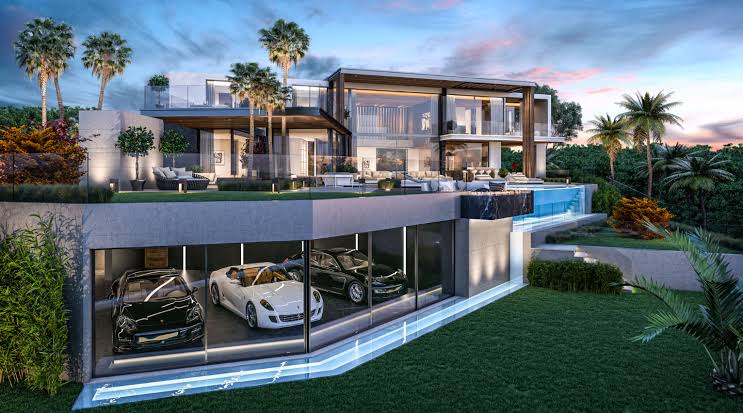
Luxury Real Estate: A Professional Guide to High-End Property Investment
Luxury real estate is an exclusive segment of the property market focused on premium homes, exceptional locations, sophisticated architecture, advanced technology, privacy, and distinctive lifestyle experiences.
The luxury real estate market continues to evolve as buyers seek properties offering comfort, convenience, security, privacy, and long-term value.
What Is Luxury Real Estate?
Luxury real estate refers to high-end residential property designed around quality, exclusivity, location, architecture, and lifestyle. These properties commonly feature spacious interiors, premium materials, advanced security, private outdoor areas, smart-home systems, and customized amenities.
The definition of luxury varies by location because property values, buyer expectations, architectural standards, and market conditions differ between cities. A luxury residence may represent a penthouse in one market, while another market may define luxury through expansive land, privacy, landscaping, and resort-style facilities.
Key Features of Luxury Real Estate
Luxury properties typically provide features that extend beyond basic residential requirements. Premium kitchens, designer interiors, private pools, landscaped gardens, home theaters, fitness rooms, elevators, garages, and sophisticated security systems can contribute to a property’s luxury positioning.
Location also plays a major role in luxury real estate. Properties near prestigious neighborhoods, beaches, business districts, cultural destinations, private clubs, or scenic landscapes can attract buyers because convenient surroundings complement the property’s architecture and amenities.
Prime Locations for Luxury Properties
Location remains one of the most important factors when evaluating premium property. Established luxury markets often develop around strong infrastructure, attractive surroundings, exclusive communities, international connectivity, and access to premium services.
Luxury buyers frequently consider privacy, neighborhood reputation, transportation, schools, healthcare, entertainment, dining, and recreational facilities. A beautifully designed property can become more attractive when its surroundings offer a high level of convenience and exclusivity.
Luxury Villas and Private Estates
Luxury villas offer expansive living spaces with greater privacy and more customization options. Large bedrooms, open-plan living areas, private gardens, swimming pools, outdoor entertainment spaces, and dedicated staff areas are common features in premium villa developments.
Private estates can offer even greater exclusivity through extensive land, controlled access, landscaped grounds, guest accommodations, and customized architecture. Such properties often appeal to buyers who value space and privacy alongside sophisticated residential design.
Luxury Apartments and Penthouses
Luxury apartments combine premium residential design with the convenience of urban living. High-rise developments may offer panoramic views, concierge services, private parking, fitness centers, swimming pools, lounges, security systems, and residents-only facilities.
Penthouses occupy a particularly exclusive position within many luxury developments. Large terraces, expansive windows, private elevators, premium interiors, and elevated views can create a distinctive residential experience while maintaining proximity to major urban amenities.
Architecture and Interior Design
Architecture plays a central role in Luxury Real Estate because distinctive design can significantly influence a property’s identity. Contemporary glass structures, classic estates, minimalist villas, and modern high-rise residences demonstrate how architectural styles can appeal to different buyer preferences.
Interior design adds another layer of sophistication through premium flooring, custom cabinetry, natural stone, designer lighting, elegant furniture, and carefully selected finishes. High-quality craftsmanship can create visual consistency while improving everyday functionality.
Smart Technology in Luxury Homes
Smart-home technology has become increasingly important within modern luxury properties. Automated lighting, climate control, security monitoring, access systems, entertainment equipment, and connected appliances can improve convenience while allowing homeowners to manage multiple systems through integrated controls.
Advanced technology can also support energy management and property security. Automated systems may help homeowners monitor energy consumption, control lighting schedules, manage indoor temperatures, and receive security notifications, creating a more connected residential environment.
Security and Privacy
Security remains an important consideration for Luxury Real Estate buyers. Premium developments may incorporate gated entrances, controlled access, surveillance systems, security personnel, private elevators, secure parking, and advanced monitoring technologies.
Privacy can be equally valuable, particularly for buyers seeking secluded residences or exclusive communities. Strategic landscaping, private entrances, large plots, architectural screening, and controlled-access neighborhoods can create separation from surrounding properties and public areas.
Luxury Real Estate Investment
Luxury Real Estate can form part of a diversified property investment strategy, although premium property markets can behave differently from mainstream residential markets. Investors generally evaluate location, property quality, market demand, rental potential, maintenance expenses, taxes, financing, and long-term market conditions.
A premium property’s investment potential depends on multiple factors, not appearance alone. Strong locations, high-quality construction, distinctive amenities, limited supply, and consistent demand can influence resale prospects, while excessive maintenance costs or weak market liquidity may affect investment performance.
Factors Affecting Luxury Property Value
Several factors influence the value of Luxury Real Estate. Location, property size, architectural quality, land availability, views, amenities, construction standards, privacy, neighborhood reputation, and market demand can all contribute to valuation.
Economic conditions can also influence premium property markets. Interest rates, employment conditions, consumer confidence, construction activity, foreign investment, taxation, and local regulations may affect buyer behavior and property prices over time.
Sustainability in Luxury Real Estate
Sustainability has become increasingly relevant to modern luxury property development. Energy-efficient windows, solar systems, efficient climate control, water-saving technologies, sustainable materials, green landscaping, and intelligent energy-management systems can support more environmentally conscious residential design.
Sustainable luxury does not necessarily mean sacrificing comfort or visual appeal. Modern architecture can combine premium finishes with efficient systems, natural lighting, improved insulation, renewable energy, and thoughtful landscaping to create properties that balance lifestyle expectations with environmental considerations.
Luxury Real Estate and Lifestyle
Luxury property is often connected to lifestyle rather than physical space alone. Buyers may seek residences that provide private entertainment areas, wellness facilities, scenic views, resort-style amenities, premium security, and convenient access to cultural or recreational destinations.
The lifestyle element can influence architectural planning and community development. Modern luxury residences increasingly incorporate spaces for remote work, fitness, relaxation, entertainment, social gatherings, and outdoor living, allowing homeowners to use their property for multiple aspects of daily life.
Buying Luxury Real Estate
Purchasing a luxury property requires detailed research and careful financial planning. Buyers should evaluate the location, property condition, ownership documents, market value, taxes, maintenance expenses, financing structure, insurance requirements, and future resale considerations before completing a transaction.
Professional assistance can simplify the buying process, especially when purchasing in an unfamiliar market. Experienced real estate professionals, property inspectors, legal advisers, tax specialists, and financial advisers can help buyers understand different aspects of a high-value property transaction.
Due Diligence Before Purchasing
Due diligence is essential before purchasing any high-value property. Buyers should verify ownership, title documentation, building approvals, property boundaries, outstanding obligations, zoning requirements, structural conditions, and applicable local regulations.
A professional inspection can identify maintenance requirements that may not be obvious during a viewing. Reviewing utility systems, roofing, plumbing, electrical infrastructure, climate-control equipment, security technology, and construction quality can help buyers understand the property’s overall condition.
Read Also: Property for Sale: A Professional Guide to Finding the Right Property
Financing Luxury Properties
Luxury properties can involve different financing considerations compared with conventional homes. Buyers may need larger deposits, specialized lending arrangements, detailed financial documentation, and careful consideration of interest rates and repayment structures.
Cash purchases can simplify certain aspects of a transaction, while financing can preserve liquidity for other investments. The appropriate approach depends on individual financial circumstances, investment objectives, borrowing costs, and applicable lending requirements.
Luxury Real Estate Market Trends
Modern Luxury Real Estate is influenced by changing buyer preferences, technology, urban development, sustainability, international mobility, and evolving lifestyle expectations. Buyers increasingly value flexible spaces, wellness facilities, smart-home systems, private outdoor areas, and energy-efficient features.
Another key trend is integrating residential and hospitality-style services. Concierge assistance, private lounges, wellness facilities, housekeeping services, secure parking, and personalized resident experiences can enhance the appeal of premium developments.
International Luxury Real Estate
International buyers often consider luxury properties in markets offering strong infrastructure, attractive lifestyles, business opportunities, cultural experiences, or favorable property environments. International purchases require additional attention to ownership rules, taxation, currency exchange, financing, and legal requirements.
Base cross-border property decisions on verified local information, not assumptions. Professional advice can help buyers navigate property law, taxation, transaction procedures, currency exposure, residency rules, and ongoing ownership responsibilities.
Luxury Real Estate for Modern Buyers
Today’s luxury buyers often prioritize functionality alongside visual sophistication. Spacious layouts, natural light, flexible rooms, home offices, wellness spaces, entertainment areas, advanced connectivity, and outdoor living environments can make a property more practical for modern lifestyles.
Personalization is also becoming an important element of premium residential design. Buyers may seek custom interiors, private amenities, distinctive architectural details, smart technology integration, and spaces designed around individual interests and household requirements.
Future of Luxury Real Estate
The future of Luxury Real Estate is likely to remain connected to innovation, sustainability, personalization, technology, and changing lifestyle preferences. Developers are increasingly exploring intelligent building systems, energy-efficient designs, wellness-focused amenities, and flexible residential spaces.
Premium properties may increasingly compete through complete lifestyle experiences rather than square footage alone. Location, service quality, privacy, sustainability, technology, architecture, and community amenities can collectively shape how buyers evaluate luxury homes in the years ahead.
How to Evaluate a Luxury Property
Evaluating a luxury property requires a combination of financial, practical, architectural, and market analysis. Buyers should compare similar properties, review recent market activity, assess property condition, evaluate amenities, and consider the location’s long-term suitability.
It is also useful to separate emotional appeal from objective evaluation. A spectacular view or impressive interior can influence purchasing decisions, but buyers should also examine ownership costs, maintenance requirements, legal documentation, market demand, and potential future usability.
Frequently Asked Questions
What Is Luxury Real Estate?
Luxury Real Estate generally refers to premium residential properties distinguished by location, design, construction quality, privacy, amenities, technology, and lifestyle features. Definitions can vary between markets.
What Makes a Property Luxury?
Location, architecture, materials, privacy, space, views, technology, security, amenities, and construction quality can contribute to a property’s luxury positioning. Market expectations also influence the definition.
Is Luxury Real Estate a Good Investment?
Luxury property investment depends on location, market demand, acquisition cost, ownership expenses, liquidity, and long-term market conditions. Buyers should evaluate these factors before investing.
What Features Do Luxury Homes Offer?
Luxury homes may include private pools, landscaped gardens, smart-home technology, premium kitchens, home theaters, wellness spaces, secure parking, concierge services, and advanced security systems.
Why Is Location Important in Luxury Real Estate?
Prime locations can provide access to desirable surroundings, infrastructure, services, entertainment, transportation, privacy, and scenic views. Location can also influence demand and property valuation.
Should Luxury Buyers Hire Professionals?
Professional real estate, legal, financial, tax, and inspection specialists can help buyers evaluate documentation, property condition, transaction requirements, financing, and ownership considerations.
How Is Technology Changing Luxury Homes?
Smart-home technology enables automated control of lighting, climate, security, entertainment, appliances, and energy systems. These features can improve convenience, efficiency, and property functionality.
What Is the Future of Luxury Real Estate?
Future luxury developments are expected to emphasize technology, sustainability, wellness, personalization, privacy, flexible spaces, and integrated services while adapting to changing buyer preferences.
Conclusion
Luxury real estate is a sophisticated segment of the property market where location, architecture, quality, privacy, technology, amenities, and lifestyle combine to create distinctive residential experiences.
Successful luxury property decisions require more than selecting an attractive home. Buyers and investors should review market conditions, property documentation, construction quality, maintenance expenses, financing, location, security, sustainability, and long-term objectives before committing.
Leave a Comment