

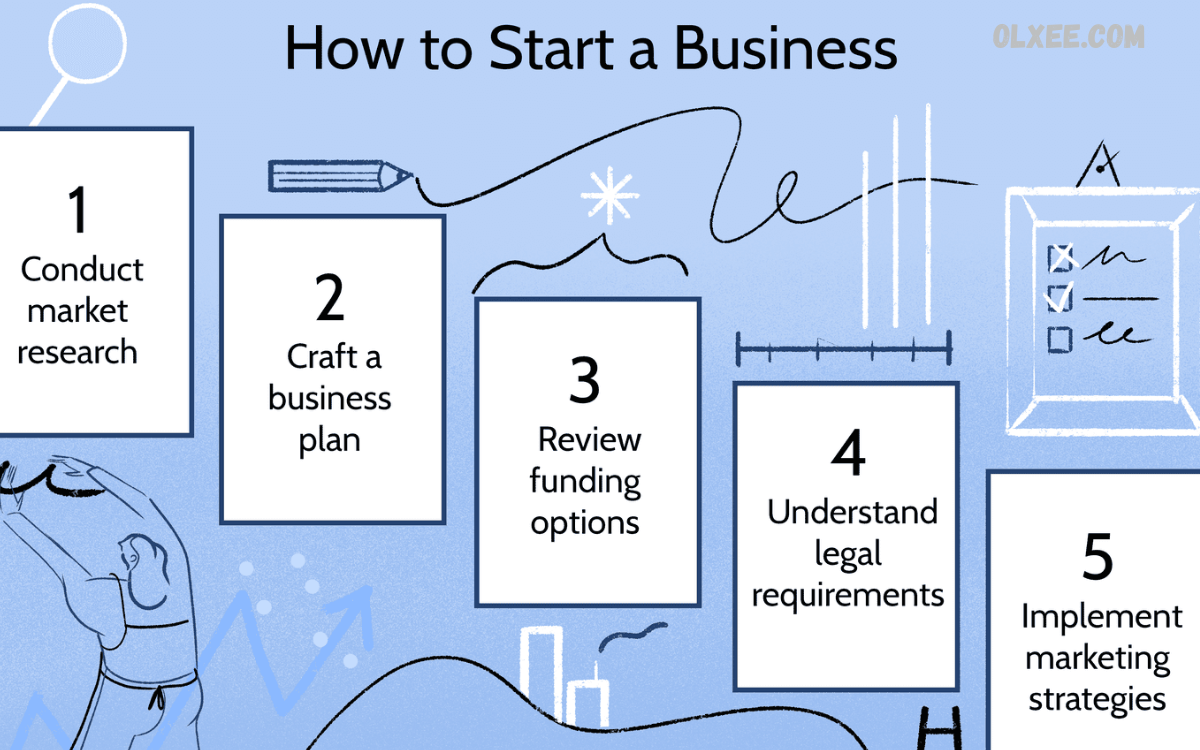
Starting a business can be an exciting and rewarding journey, but it requires careful planning, commitment, and a clear understanding of your goals. Whether you want to launch a small local business, an online store, or a growing company, the first step is turning your idea into a practical business plan.
A successful business does not happen overnight. Entrepreneurs need to consider important factors such as startup costs, pricing, marketing, legal requirements, branding, and customer service before launching. It is also important to understand the market and identify what makes your products or services different from competitors.
Develop a Strong Business Idea
The first step in learning how to start a Business is developing a clear and useful business idea. Think about the products or services you can offer and the problem they will solve for customers. A successful idea should provide genuine value rather than simply copying what another company already offers. Consider your skills, experience, interests, available resources, and the type of customers you want to serve.
Before investing significant money, test your concept. Talk with potential customers, study existing competitors, and find out whether people are willing to pay for your proposed product or service. You can begin with a small version of your idea instead of immediately building a large operation.
Research Your Target Market
Market research helps you understand who your potential customers are and what they expect from businesses in your industry. Identify important characteristics such as age, location, income level, interests, buying habits, and common problems. The more clearly you understand your target audience, the easier it becomes to create suitable products, set prices, and develop effective marketing messages. Customer research can also show whether your idea has enough demand to support a new business.
Competitor research is equally important. Examine businesses that already serve your target market and study their products, prices, customer service, branding, reviews, and marketing methods. Do not simply copy successful competitors. Instead, look for gaps that your business can fill.
Create a Business Plan
A business plan turns your idea into a practical roadmap. It should explain what your business will sell, who it will serve, how it will make money, and what resources are needed to operate it. Include information about your target market, competitors, pricing, marketing strategy, operations, expected expenses, and financial goals. A well-prepared plan also helps you identify potential challenges before they become expensive problems.
Your plan does not need to be unnecessarily complicated. For a small business, a concise plan may be enough to guide your decisions. However, businesses seeking outside funding may need more detailed financial projections and supporting information. Review your plan regularly because customer behaviour, competition, costs, and business objectives can change over time.
Choose the Right Business Structure
Choosing an appropriate business structure is an important part of starting a company. Different structures can affect ownership, taxation, liability, administration, and how the business is managed. Depending on your location and circumstances, options may include operating as a sole trader, partnership, limited company, or another recognized structure. Each option has different advantages and responsibilities.
Before choosing a structure, consider your business size, expected income, level of risk, number of owners, and future plans. Legal and tax requirements vary between countries and regions, so professional advice can be valuable. Selecting the appropriate structure from the beginning may make administration easier and help you avoid unnecessary complications as the business grows.
Calculate Your Startup Costs
Understanding startup costs is essential because many new businesses fail to plan for the full financial commitment involved. List expenses such as equipment, stock, premises, website development, software, licenses, professional services, insurance, packaging, advertising, and employee costs where applicable. Separate one-time expenses from recurring monthly costs so you can estimate the amount of capital required to reach profitability.
It is also sensible to prepare for unexpected expenses. A new business may experience slower sales than expected, supplier problems, equipment repairs, or higher operating costs during the first few months. Creating a financial reserve can provide valuable breathing room. Avoid spending heavily on things that do not directly support customers or revenue, particularly during the early stage of the business.
Secure Business Funding
Once you know how much money your business requires, decide how you will finance it. Some entrepreneurs use personal savings, while others consider bank finance, investors, business partners, grants, or other funding options available in their area. Your choice should reflect the size of your business, financial position, risk tolerance, and growth plans.
If you borrow money, understand the repayment terms and total cost before accepting the funding. If you bring in investors or partners, establish ownership percentages, responsibilities, decision-making rights, and expectations in writing. The goal is not simply to obtain money but to secure appropriate funding without creating financial pressure that could damage the business.
Read Also: Latest Entertainment News Today
Register and Organize Your Business
After deciding on your business structure, complete the registrations and legal requirements that apply to your location and industry. These may include registering the business name, obtaining relevant licenses or permits, arranging tax registration, and meeting industry-specific rules. Requirements can differ considerably depending on the type of business and where it operates.
You should also establish basic administrative systems before launching. Open a dedicated business bank account where appropriate, maintain accurate financial records, organize invoices and receipts, and create written agreements for important business relationships. Keeping personal and business finances properly separated can make accounting and financial management much easier.
Build Your Brand and Online Presence
A professional brand helps customers recognize and remember your business. Choose a suitable business name, logo, colors, messaging, and visual style that communicate what your company offers. Your branding should be consistent across your website, social media profiles, packaging, advertisements, emails, and other customer touchpoints.
An online presence is increasingly important for businesses of almost every type. Create a professional website that clearly explains your products or services, prices or contact options, location where relevant, and ways customers can reach you.
Create a Marketing Strategy
A marketing strategy explains how you will attract potential customers and encourage them to choose your business. Depending on your audience, useful channels may include search engine optimization, social media, email marketing, content marketing, paid advertising, partnerships, referrals, events, and local promotion. Start with channels that match your customers instead of spending money everywhere at once.
Track the results of your marketing efforts. Monitor inquiries, website visits, sales, customer acquisition costs, and conversion rates to determine which activities produce meaningful results. If one campaign performs poorly, investigate why and adjust it. Effective marketing is not simply about getting attention; it is about reaching the right people with a valuable message and encouraging them to take action.
Focus on Customer Service
Customer service can become one of the strongest advantages for a new business. Customers remember how quickly you respond, how professionally you handle problems, and whether you deliver what you promised. Set clear standards for communication, delivery, returns, complaints, and after-sales support. Even a small business can create a professional customer experience by being reliable and responsive.
Ask customers for feedback and pay attention to recurring concerns. Positive reviews and recommendations can help a new business establish credibility, while negative feedback can reveal opportunities for improvement. Treat complaints as useful information rather than automatically viewing them as criticism. A business that consistently listens to customers can improve its products and build stronger relationships.
Launch Carefully and Measure Results
Launching does not mean everything has to be perfect. A controlled launch can help you test your systems and identify problems before increasing your marketing or expanding your operation. Start with a manageable product range or service offering, monitor customer reactions, and improve your processes based on real-world experience.
Set measurable goals for sales, customer acquisition, website traffic, repeat purchases, and profitability. Review these figures regularly to understand whether the business is moving in the right direction. Data can help you make decisions based on evidence rather than assumptions and can reveal which areas require attention.
Manage and Grow Your Business
Once the business begins generating sales, focus on sustainable growth rather than expanding too quickly. Maintain control over cash flow, monitor expenses, improve operational efficiency, and protect the quality of your products or services. Growth should strengthen the business rather than create problems that become difficult to manage.
As your company develops, consider whether you need additional employees, technology, suppliers, equipment, or professional support. Continue researching your industry and listening to customers. Successful businesses evolve with changing markets, and the willingness to improve can become a major long-term advantage.
Frequently Asked Questions
What is the first step in starting a business?
The first step is developing a clear business idea and determining whether it solves a genuine customer problem. Market research should follow so you can assess demand, competitors, and potential opportunities.
How much money do I need to start a business?
The amount varies considerably depending on the business model. A service-based business may require relatively little capital, while a shop, manufacturing company, or technology business may require significantly more. Calculate your expected startup and ongoing costs before launching.
Do I need a business plan?
A business plan is highly useful because it helps you organize your goals, target market, finances, operations, and marketing strategy. It can also be important when seeking funding from lenders or investors.
How do I choose a business name?
Choose a name that is easy to remember, relevant to your business, and suitable for future growth. Before using it, check applicable business-name, trademark, domain, and registration requirements in your location.
How can I find my first customers?
Start by identifying where your target customers already spend time. Depending on the business, you could use referrals, social media, local networking, content marketing, search engines, partnerships, direct outreach, or introductory offers.
Should I start a business alone or with a partner?
Both approaches can work. Starting alone provides greater control, while a partner may bring additional skills, capital, experience, or contacts. If you work with a partner, clearly document ownership and responsibilities.
How important is digital marketing for a new business?
Digital marketing can be highly valuable because it allows businesses to reach specific audiences and measure campaign performance. However, the best marketing channels depend on where your customers search for information and make purchasing decisions.
How can I keep business expenses under control?
Create a realistic budget, separate essential expenses from optional purchases, monitor cash flow, compare suppliers, and review recurring subscriptions regularly. Avoid unnecessary spending before the business has established reliable revenue.
When should I hire employees?
Consider hiring when additional work is consistently affecting customer service, quality, or growth. Before hiring, calculate the full employment cost and determine whether the additional capacity is likely to generate enough value.
What makes a business successful?
Successful businesses usually combine customer value, strong financial management, reliable operations, effective marketing, adaptability, and consistent service. There is no single formula, but businesses that understand their customers and continually improve have a stronger foundation for long-term success.
Conclusion
Learning how to start a Business is the beginning of an entrepreneurial journey that requires planning, research, discipline, and continuous improvement. A strong business starts with a useful idea and develops through market research, financial planning, legal preparation, branding, marketing, customer service, and careful management.
You do not need to build everything at once. Start with a realistic plan, understand your customers, control your costs, and test your ideas before making major investments.
