

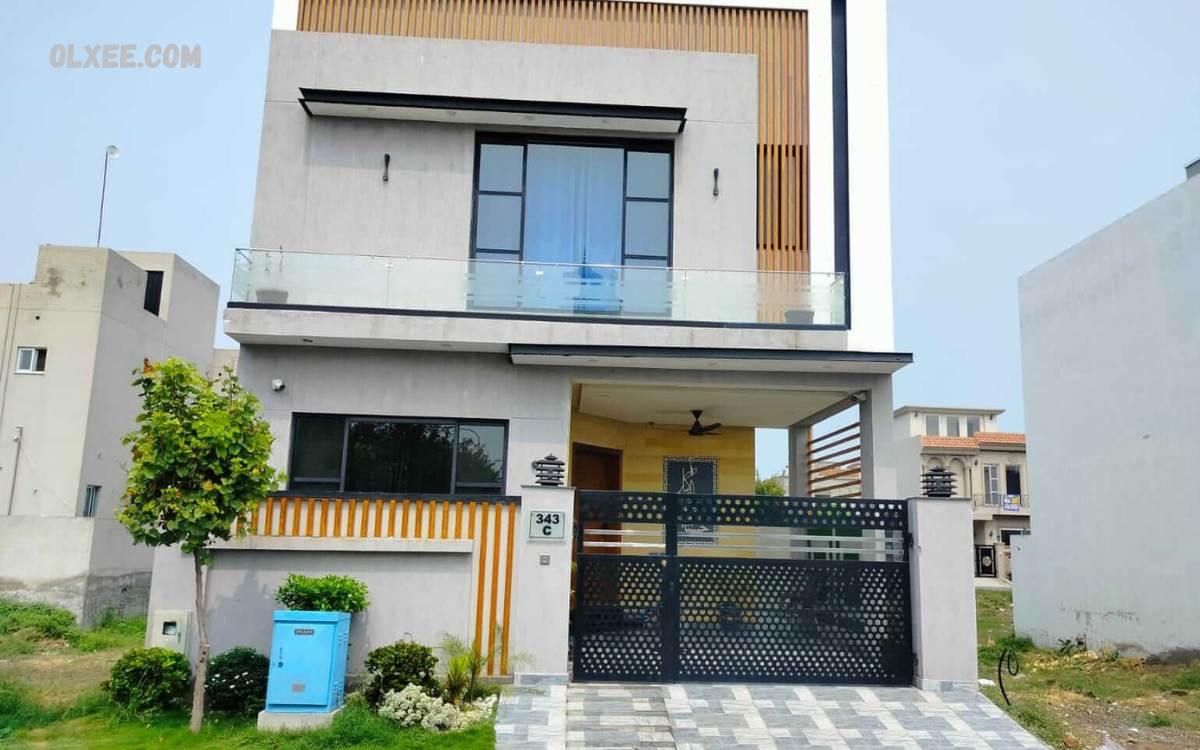
Finding a home that fits your budget without sacrificing quality is a goal shared by many buyers. Low-cost homes for sale with great value provide an excellent opportunity for first-time homeowners, growing families, retirees, and real estate investors to secure affordable properties while enjoying essential features and long-term benefits.
From cozy starter houses and modern townhomes to renovated properties in developing neighborhoods. Many affordable homes include spacious layouts, updated interiors, convenient locations, and access to schools, shopping centers, healthcare facilities, and public transportation.
What Are Low-Cost Homes for Sale with Great Value?
Low-cost homes are residential properties listed at prices significantly below the average market value within a specific location. However, affordability alone does not determine value.
Great value means the property offers:
- Strong construction quality
- Functional floor plans
- Safe neighborhoods
- Convenient location
- Potential appreciation
- Low maintenance costs
- Modern features
- Good resale opportunities
The goal is to find a home where the purchase price matches or exceeds the property’s long-term benefits.
Why Affordable Homes Continue to Grow in Popularity?
Homebuyers today are becoming more financially conscious. Rather than purchasing expensive luxury homes with large mortgages, many buyers prefer affordable properties that reduce financial stress.
Major advantages include:
- Lower monthly mortgage payments
- Reduced property taxes
- Lower insurance premiums
- Affordable maintenance
- Better savings opportunities
- Faster mortgage repayment
- Higher financial flexibility
These benefits allow homeowners to build equity while maintaining healthier personal finances.
Types of Affordable Homes Available
Several property types offer outstanding value for buyers.
Starter Homes
Starter homes are designed for first-time buyers.
Features include:
- Smaller floor plans
- Lower purchase prices
- Easy maintenance
- Family-friendly neighborhoods
They provide an affordable entry into homeownership.
Townhouses
Townhouses often cost less than detached homes while offering multiple bedrooms and modern amenities.
Benefits include:
- Shared maintenance
- Community facilities
- Lower purchase costs
- Attractive neighborhoods
Condominiums
Condos provide affordable ownership in urban areas.
Advantages include:
- Security
- Fitness centers
- Swimming pools
- Lower maintenance responsibilities
Manufactured Homes
Modern manufactured homes offer impressive quality at significantly lower prices.
Many include:
- Energy-efficient construction
- Modern kitchens
- Spacious living areas
- Stylish interiors
Renovated Older Homes
Older homes that have undergone renovations often provide exceptional value.
Improvements may include:
- Updated plumbing
- Modern electrical systems
- New roofing
- Energy-efficient windows
- Contemporary kitchens
Where to Find Low-Cost Homes?
Finding affordable homes requires exploring multiple sources.
Popular options include:
- Local real estate agencies
- Online property marketplaces
- Government housing programs
- Bank-owned properties
- Foreclosure listings
- Newly developed communities
- Property auctions
Expanding your search area often reveals better opportunities.
Features That Add Great Value
Price alone should never determine your purchase decision.
Look for homes with:
Modern Kitchens
Updated cabinets, countertops, and appliances reduce renovation costs.
Energy Efficiency
Homes with efficient insulation, LED lighting, and modern HVAC systems save money every month.
Good Roofing
A newer roof eliminates major repair expenses.
Updated Plumbing
Modern plumbing prevents costly future repairs.
Quality Flooring
Durable flooring improves appearance while reducing maintenance.
Parking Space
Private garages or driveways increase convenience and resale value.
Outdoor Living Areas
Backyards and patios enhance everyday living.
Best Locations for Affordable Homes
Affordable homes can be found in many growing communities.
Look for neighborhoods offering:
- Quality schools
- Low crime rates
- Public transportation
- Shopping centers
- Healthcare facilities
- Parks
- Employment opportunities
Emerging suburbs often provide better value than city centers.
Read Also: AI Prompts: A Complete Professional Guide to Better Results with Artificial Intelligence
How to Buy an Affordable Home
Buying a low-cost property requires careful preparation.
Determine Your Budget
Calculate:
- Monthly income
- Existing debt
- Down payment
- Closing costs
- Emergency savings
Never purchase beyond your financial comfort.
Improve Your Credit Score
Higher credit scores qualify buyers for:
- Lower interest rates
- Better mortgage terms
- Higher loan approvals
Simple improvements include:
- Paying bills on time
- Reducing credit card balances
- Avoiding unnecessary loans
Obtain Mortgage Pre-Approval
Pre-approval offers several benefits:
- Faster negotiations
- Stronger purchase offers
- Better understanding of affordability
Sellers also prefer buyers with financing already secured.
Hire an Experienced Real Estate Agent
Professional agents help buyers:
- Find hidden opportunities
- Negotiate pricing
- Complete paperwork
- Avoid common mistakes
Their expertise often saves thousands of dollars.
Home Inspection Matters
Never skip a professional inspection.
Inspectors evaluate:
- Foundation
- Roof
- Plumbing
- Electrical systems
- HVAC equipment
- Structural integrity
Identifying issues before purchase prevents expensive surprises.
Financing Options
Several financing programs support affordable homeownership.
Common choices include:
- Conventional mortgages
- FHA loans
- VA loans
- USDA rural housing loans
- First-time buyer assistance programs
Compare multiple lenders before making a decision.
Negotiating the Best Price
Successful buyers negotiate carefully.
Useful strategies include:
- Reviewing recent comparable sales
- Identifying repair needs
- Requesting seller concessions
- Being patient during negotiations
- Making competitive but reasonable offers
Good negotiation increases overall property value.
Hidden Costs to Consider
Affordable purchase prices do not eliminate ongoing expenses.
Plan for:
- Property taxes
- Homeowners insurance
- Maintenance
- Utility bills
- HOA fees
- Landscaping
- Repairs
Understanding total ownership costs protects your budget.
Investment Potential
Affordable homes frequently generate strong long-term returns.
Benefits include:
- Property appreciation
- Rental income
- Equity growth
- Portfolio diversification
Many investors begin with low-cost residential properties before expanding into larger investments.
Common Mistakes to Avoid
Many buyers make preventable errors.
Avoid:
- Skipping inspections
- Ignoring neighborhood research
- Buying based solely on price
- Underestimating maintenance costs
- Choosing unsuitable mortgage terms
- Failing to compare multiple listings
Patience leads to better decisions.
Tips for First-Time Buyers
If this is your first home purchase:
- Save for a larger down payment.
- Compare several mortgage lenders.
- Research neighborhoods thoroughly.
- Visit multiple properties.
- Ask questions during inspections.
- Understand closing costs.
- Plan for future maintenance.
Preparation increases confidence throughout the buying process.
Signs of a Great Value Home
Excellent, affordable homes usually have these characteristics:
- Competitive pricing
- Solid construction
- Updated systems
- Attractive location
- Strong resale potential
- Low repair requirements
- Efficient layout
- Positive neighborhood growth
Finding several of these features indicates excellent value.
Benefits of Buying Instead of Renting
Many renters eventually discover that homeownership offers greater financial advantages.
Owning a home provides:
- Building equity
- Stable monthly payments
- Tax advantages in some regions
- Freedom to renovate
- Long-term investment growth
- Greater financial security
Over time, buying often becomes more economical than renting.
Future Trends in Affordable Housing
Housing markets continue evolving.
Emerging trends include:
- Sustainable building materials
- Smart home technology
- Energy-efficient construction
- Smaller but highly functional floor plans
- Eco-friendly communities
- Flexible financing options
These developments make affordable homes increasingly attractive for modern buyers.
Frequently Asked Questions
What qualifies as a low-cost home?
A low-cost home is priced below the average market value for its local area while offering good quality and long-term value.
Are affordable homes good investments?
Yes. Many affordable homes appreciate over time and can generate high rental income.
How can I find affordable homes?
Search online listings, work with local real estate agents, explore government programs, and monitor foreclosure opportunities.
Should I buy an older home?
Older homes can provide excellent value if inspections confirm they are structurally sound and well-maintained.
Is a home inspection necessary?
Yes. A professional inspection identifies hidden problems before the purchase is completed.
What credit score helps qualify for better mortgage rates?
Higher credit scores generally qualify buyers for lower interest rates and better loan terms.
Are newly built affordable homes available?
Yes. Many developers now offer budget-friendly homes with modern features and energy-efficient designs.
Can first-time buyers receive financial assistance?
Many regions offer grants, down-payment assistance, and special mortgage programs for first-time homebuyers.
What hidden costs should buyers expect?
Property taxes, insurance, maintenance, utilities, HOA fees, and future repairs should all be included in your budget.
How do I know if a home offers great value?
Evaluate its condition, location, construction quality, future appreciation potential, maintenance requirements, and comparable market prices.
Conclusion
Finding Low-Cost Homes for Sale with Great Value is entirely achievable with careful research, financial planning, and informed decision-making. Affordable properties today offer far more than low prices; they provide quality construction, desirable locations, modern amenities, and excellent long-term investment potential.
By comparing listings, securing favorable financing, completing thorough inspections, and choosing neighborhoods with future growth prospects, buyers can maximize both affordability and value.
