

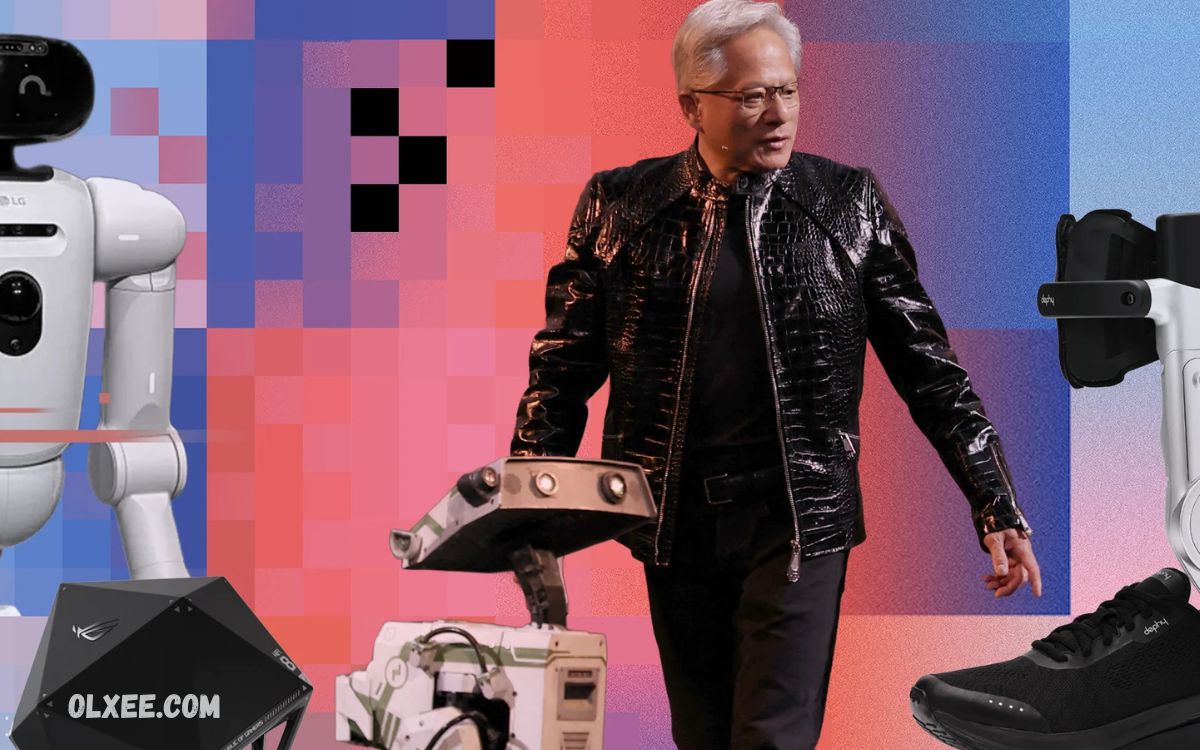
Technology continues to evolve at an unprecedented pace, and 2026 is expected to introduce innovations that will reshape industries, businesses, and everyday life. From artificial intelligence and next-generation robotics to quantum computing, smart cities, and sustainable technologies, the coming year promises groundbreaking advancements that will transform how people work, communicate, travel, and access digital services.
The rapid growth of AI-powered automation, 6G research, edge computing, cybersecurity innovations, and immersive virtual experiences will create new opportunities while also introducing fresh challenges related to privacy, ethics, and workforce adaptation.
Artificial Intelligence Becomes More Intelligent
Artificial Intelligence (AI) remains the driving force behind technological innovation in 2026. Instead of performing isolated tasks, AI systems now understand context, automate complex workflows, generate content, analyze massive datasets, and support human decision-making.
Major developments include:
- AI-powered business automation
- Personalized customer experiences
- AI coding assistants
- Healthcare diagnostics
- Financial forecasting
- Intelligent education platforms
- Legal document analysis
- Creative content generation
Businesses increasingly deploy AI agents capable of handling customer service, scheduling meetings, writing reports, processing invoices, and managing operations with minimal human intervention.
Business Benefits
- Lower operational costs
- Faster decision-making
- Increased productivity
- Better customer satisfaction
- Higher profitability
Generative AI Expands Beyond Content Creation
Generative AI evolves beyond writing articles and creating images. In 2026, organizations use generative models for:
- Software development
- Drug discovery
- Product design
- Marketing campaigns
- Engineering simulations
- Video production
- Music generation
- Digital twins
Companies generate complete product prototypes before manufacturing, significantly reducing development costs and time.
Quantum Computing Makes Practical Progress
Quantum computing transitions from research laboratories toward commercial experimentation.
Industries exploring quantum applications include:
- Pharmaceuticals
- Banking
- Logistics
- Climate research
- Aerospace
- Material science
Potential applications:
- Faster optimization
- Drug molecule simulations
- Complex financial modeling
- Cryptographic analysis
- Supply chain optimization
Although widespread adoption remains years away, early investments create long-term competitive advantages.
Cybersecurity Powered by Artificial Intelligence
Cyber threats continue to grow as organizations digitize their operations.
AI-powered cybersecurity solutions now detect:
- Malware
- Ransomware
- Identity theft
- Network intrusions
- Phishing attacks
- Insider threats
Modern security systems continuously monitor user behavior, automatically identify suspicious activities, and respond before significant damage occurs.
Emerging Security Technologies
- Zero Trust Architecture
- Behavioral analytics
- Passwordless authentication
- Biometric verification
- Multi-factor authentication
- AI threat intelligence
Edge Computing Gains Momentum
Cloud computing remains essential, but edge computing processes information closer to connected devices.
Industries benefiting include:
- Manufacturing
- Healthcare
- Smart cities
- Autonomous vehicles
- Retail
- Energy
Advantages include:
- Lower latency
- Faster response times
- Reduced bandwidth costs
- Better privacy
- Improved reliability
Edge computing supports millions of Internet of Things devices operating simultaneously.
Internet of Things (IoT) Expands Everywhere
Connected devices continue increasing rapidly.
Smart IoT applications include:
Smart Homes
- Intelligent lighting
- Smart thermostats
- Connected security systems
- Voice assistants
Healthcare
- Wearable health monitors
- Remote patient monitoring
- Smart medical devices
Agriculture
- Soil monitoring
- Precision irrigation
- Livestock tracking
- Weather sensors
Manufacturing
- Predictive maintenance
- Smart factories
- Automated production monitoring
IoT provides continuous real-time insights that improve operational efficiency.
Robotics Becomes More Collaborative
Modern robots work alongside humans instead of replacing them.
Collaborative robots (Cobots) assist workers in:
- Warehousing
- Manufacturing
- Logistics
- Healthcare
- Hospitality
- Food production
Benefits include:
- Higher productivity
- Reduced workplace injuries
- Greater accuracy
- Lower operational costs
AI-powered robotics also improves warehouse automation and package delivery.
Autonomous Vehicles Continue Advancing
Self-driving technology experiences significant improvements.
Applications include:
- Autonomous taxis
- Smart public transportation
- Delivery robots
- Agricultural machinery
- Mining equipment
- Industrial logistics
Advanced sensors, computer vision, LiDAR, radar, and AI algorithms improve navigation and safety.
6G Research Accelerates
Although 5G deployment continues worldwide, researchers actively develop 6G communication networks.
Expected improvements include:
- Ultra-fast connectivity
- Extremely low latency
- AI-native networking
- Massive IoT connectivity
- Holographic communication
- Extended reality support
6G enables new digital experiences impossible with previous wireless generations.
Extended Reality (XR) Changes Digital Experiences
Extended Reality combines:
- Virtual Reality (VR)
- Augmented Reality (AR)
- Mixed Reality (MR)
Applications include:
Education
Interactive virtual classrooms improve learning experiences.
Healthcare
Medical professionals practice surgeries using realistic simulations.
Manufacturing
Engineers visualize complex machinery before production.
Retail
Customers virtually try products before purchasing.
Real Estate
Virtual property tours improve customer engagement.
Read Also: Future of Artificial Intelligence: Transforming the World Through Intelligent Innovation
Digital Twins Become Mainstream
Digital twins create virtual replicas of physical assets.
Organizations monitor:
- Buildings
- Factories
- Vehicles
- Energy systems
- Manufacturing equipment
Benefits include:
- Predictive maintenance
- Operational optimization
- Reduced downtime
- Lower maintenance costs
- Better planning
Digital twins become increasingly valuable for smart cities.
Sustainable Technology Drives Innovation
Environmental sustainability becomes a core technology objective.
Innovations include:
- Smart energy grids
- Carbon tracking software
- Renewable energy optimization
- Electric vehicles
- Energy-efficient data centers
- Green cloud computing
Businesses invest in technologies supporting environmental responsibility while reducing costs.
Blockchain Finds Practical Business Applications
Blockchain expands beyond cryptocurrencies.
Enterprise applications include:
- Supply chain tracking
- Healthcare records
- Digital identity
- Intellectual property protection
- Smart contracts
- Cross-border payments
Businesses value blockchain for transparency, security, and trust.
Smart Cities Continue Growing
Urban areas increasingly integrate intelligent technologies.
Smart city technologies include:
- Intelligent traffic systems
- AI surveillance
- Connected infrastructure
- Waste management automation
- Smart street lighting
- Environmental monitoring
These innovations improve public safety and urban efficiency.
Healthcare Technology Revolutionizes Patient Care
Healthcare experiences a remarkable digital transformation.
Emerging innovations include:
- AI diagnostics
- Robotic surgery
- Remote monitoring
- Personalized medicine
- Genomic analysis
- Wearable medical devices
- Telemedicine platforms
Healthcare professionals leverage technology for earlier diagnosis and improved treatment outcomes.
Low-Code and No-Code Development Expands
Organizations increasingly build applications using visual development platforms.
Advantages include:
- Faster development
- Lower costs
- Business user participation
- Reduced coding requirements
- Rapid deployment
Professional developers focus on complex systems while business teams create internal applications independently.
Human-AI Collaboration Defines Future Workplaces
Rather than replacing employees, AI enhances human capabilities.
Workers use AI for:
- Research
- Data analysis
- Writing
- Programming
- Customer support
- Business intelligence
- Decision support
The future workplace emphasizes collaboration between humans and intelligent machines.
Biotechnology and AI Converge
Artificial intelligence accelerates biological research.
Applications include:
- Drug discovery
- Protein analysis
- Disease prediction
- Precision medicine
- Agricultural biotechnology
Researchers analyze enormous biological datasets faster than ever before.
Space Technology Creates New Opportunities
Commercial space exploration continues to expand.
Technology developments include:
- Satellite internet
- Space manufacturing
- Lunar exploration
- Earth observation
- Climate monitoring
Private companies invest heavily in next-generation aerospace technologies.
Skills Required for the Future Technology Workforce
Technology professionals should continuously develop new skills.
High-demand skills include:
Technical Skills
- Artificial Intelligence
- Machine Learning
- Cloud Computing
- Data Science
- Cybersecurity
- Python Programming
- DevOps
- Blockchain
- Robotics
- IoT Development
Soft Skills
- Critical thinking
- Problem-solving
- Communication
- Leadership
- Adaptability
- Creativity
- Project management
Continuous learning becomes essential for career growth.
Industries Most Affected by Technology Trends
Nearly every sector experiences transformation.
Healthcare
AI diagnostics, robotic surgery, telemedicine.
Finance
Fraud detection, automated investing, blockchain.
Education
Personalized learning, virtual classrooms.
Manufacturing
Smart factories, predictive maintenance.
Agriculture
Precision farming, AI crop analysis.
Retail
Personalized shopping, automated inventory.
Transportation
Autonomous vehicles, intelligent logistics.
Energy
Smart grids, renewable optimization.
Challenges Facing Future Technology
Despite rapid innovation, organizations must address important challenges.
Major concerns include:
- Data privacy
- AI ethics
- Cybersecurity risks
- Regulatory compliance
- Workforce reskilling
- Algorithm bias
- Digital inequality
- Infrastructure investment
Responsible technology adoption remains essential for sustainable growth.
Preparing for the Technology Future
Businesses and professionals can prepare by:
- Investing in digital transformation
- Learning emerging technologies
- Strengthening cybersecurity
- Building cloud infrastructure
- Developing AI strategies
- Encouraging innovation
- Supporting employee training
- Monitoring technology trends
Organizations embracing innovation today position themselves for long-term success.
Frequently Asked Questions
What is the biggest technology trend in 2026?
Artificial Intelligence remains the most influential technology trend due to its impact across nearly every industry.
Will AI replace human jobs?
AI will automate repetitive tasks while creating new opportunities requiring creativity, critical thinking, and technical expertise.
Why is cybersecurity becoming more important?
Growing digital transformation increases cyber threats, making advanced security essential for organizations.
What industries benefit most from emerging technologies?
Healthcare, finance, manufacturing, education, retail, agriculture, transportation, and energy experience significant benefits.
What is edge computing?
Edge computing processes data closer to connected devices, reducing latency and improving performance.
How will quantum computing affect businesses?
Quantum computing will improve optimization, scientific research, financial modeling, and complex problem-solving.
What skills should professionals learn in 2026?
AI, cloud computing, cybersecurity, data science, programming, DevOps, and critical thinking remain highly valuable.
Are smart cities becoming common?
Yes. Cities increasingly adopt intelligent infrastructure, connected transportation, and AI-powered public services.
What role does blockchain play beyond cryptocurrency?
Blockchain supports secure digital identity, supply chain management, healthcare records, and smart contracts.
Why should businesses monitor future technology trends?
Understanding emerging technologies helps organizations improve efficiency, remain competitive, reduce costs, and prepare for long-term digital transformation.
Conclusion
The Future Technology Trends to Watch in 2026 depict a world in which artificial intelligence, robotics, quantum computing, cybersecurity, edge computing, blockchain, smart cities, biotechnology, and immersive digital experiences become integral to business and daily life. These technologies are reshaping industries, improving productivity, enhancing customer experiences, and creating entirely new opportunities for innovation.
Success in 2026 will depend on adaptability, continuous learning, strategic investment, and responsible technology adoption.
