
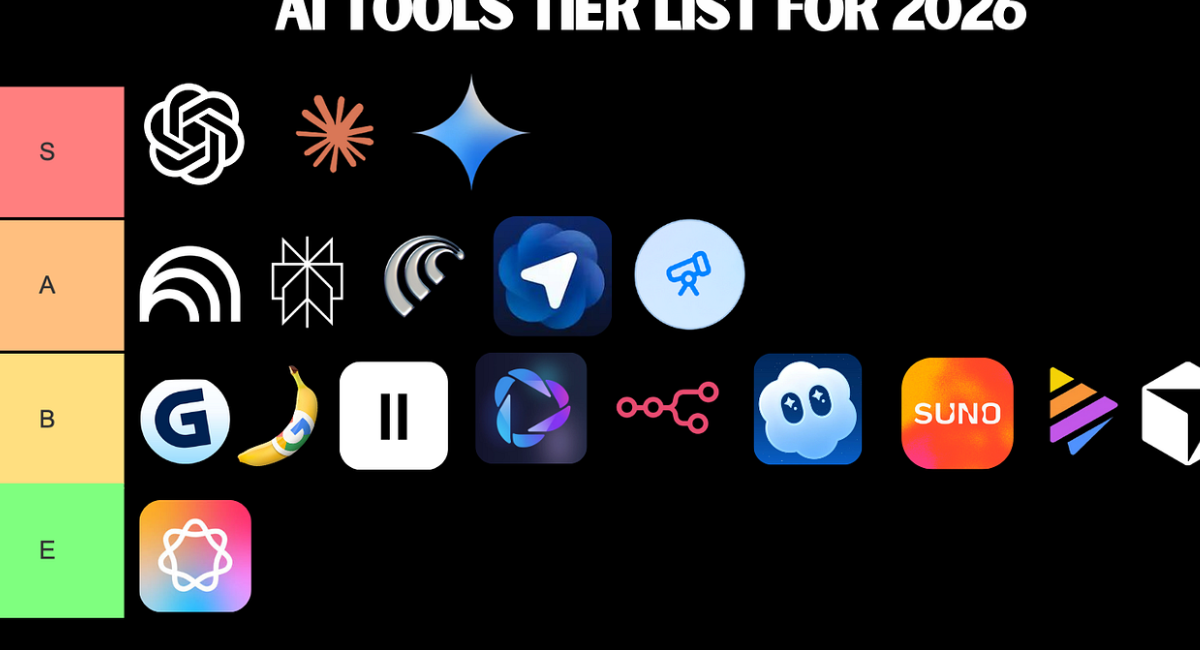
Best AI Tools for Students in 2026
The Best AI Tools for Students in 2026 can make studying more organized, efficient, and personalized. Students can use artificial intelligence to understand difficult topics, organize notes, improve writing, conduct research, and manage academic tasks.
AI tools support learning rather than replace it. When used responsibly, they can help students save time, identify knowledge gaps, practice important skills, and approach challenging subjects with greater confidence.
AI Tools for Research and Academic Learning
Research is an important part of school, college, and university education. AI-powered research tools can help students discover information, summarize complex material, identify useful ideas, and organize research more effectively.
Students should still verify important information with reliable academic sources. AI can assist with the research process, but checking facts, understanding original sources, and developing independent conclusions remain essential parts of academic work.
AI Tools for Writing and Grammar Improvement
Writing assistants can help students improve grammar, spelling, sentence structure, clarity, and overall readability. They can be particularly useful when preparing essays, reports, assignments, applications, and presentations.
Use AI writing tools as editing and learning assistants rather than automatic assignment generators. Students can compare suggestions, understand corrections, and develop stronger writing skills through repeated practice.
AI Tools for Mathematics and Problem Solving
Mathematics can become easier to understand when students receive step-by-step explanations. AI-powered learning tools can explain formulas, demonstrate problem-solving methods, and provide extra practice examples.
Instead of simply copying an answer, students should focus on understanding the method used to reach the solution. Asking an AI tool to explain each step can turn a difficult problem into an opportunity for meaningful learning.
AI Tools for Note-Taking and Organization
Keeping organized notes can improve study efficiency, especially when students manage multiple subjects. AI note-taking tools can summarize information, organize key points, and turn lengthy material into easier-to-review formats.
Students can also use AI to create study outlines, revision points, and topic summaries from their own notes. Reviewing the original material alongside AI-generated summaries helps maintain accuracy and prevents important details from being missed.
AI Tools for Creating Study Plans
A structured study schedule can help students balance assignments, exams, projects, and personal activities. AI tools can help create customized study plans based on subjects, deadlines, available study hours, and learning goals.
The most effective study plan is one that students can realistically follow. AI can suggest a schedule, but students should adjust it according to their workload, concentration levels, academic priorities, and progress.
AI Tools for Language Learning
AI has become increasingly useful for students learning new languages. Language-focused tools can provide vocabulary practice, grammar explanations, pronunciation assistance, translation support, and conversational exercises.
Regular interaction with an AI language assistant gives students more opportunities to practice outside the classroom. However, students should also use authentic conversations, books, educational resources, and teacher feedback to develop complete language skills.
AI Tools for Presentations and Projects
Creating presentations often requires research, writing, visual organization, and communication skills. AI-powered presentation tools can help students develop outlines, organize ideas, generate design concepts, and prepare presentation material.
Students should review and personalize AI-assisted presentations before using them for academic work. Adding their own analysis, examples, explanations, and visual choices can make the final project more original and meaningful.
AI Tools for Coding and Computer Science Students
Students studying programming can use AI coding assistants to understand programming concepts, identify errors, explain unfamiliar code, and explore different approaches to solving technical problems.
AI should not replace learning programming fundamentals. Students benefit more when they attempt problems independently first and then use AI to understand errors or compare alternative solutions.
AI Tools for Productivity and Time Management
Managing academic responsibilities can be challenging when students have several deadlines at the same time. AI productivity tools can help organize tasks, prioritize activities, create reminders, and break large projects into manageable steps.
Students can also use AI to develop daily routines and study checklists. Combining AI planning with a consistent personal routine can make academic work more manageable and reduce unnecessary delays.
Read Also: Luxury Real Estate: A Professional Guide to High-End Property Investment
AI Tools for Exam Preparation
Exam preparation is another area where AI can provide useful study support. Students can use AI to generate practice questions, create quizzes, explain difficult concepts, and identify topics that need additional revision.
Practice should remain active rather than passive. Students can answer questions without assistance first and then use AI explanations to understand mistakes and strengthen areas where their knowledge is incomplete.
How Students Can Use AI Responsibly
Responsible AI use begins with understanding that artificial intelligence is a learning assistant, not a replacement for personal effort. Students should follow their school’s or institution’s academic policies when using AI for assignments and assessments.
Students should also avoid submitting AI-generated material as their own when academic rules prohibit it. Checking facts, protecting personal information, citing appropriate sources when required, and reviewing generated content are important parts of responsible AI use.
Benefits of Using AI Tools for Students
One major benefit of AI tools is personalized assistance. Students can ask for explanations at different difficulty levels, request examples, practice specific topics, and revisit concepts that they did not understand during class.
AI can also improve productivity by reducing time spent on repetitive tasks. When used appropriately, students can redirect this extra time toward deeper learning, practice, critical thinking, creative work, and preparation.
Limitations of AI Tools for Students
AI tools are not perfect and can sometimes provide incorrect, outdated, incomplete, or misleading information. Students should therefore avoid treating every AI response as automatically accurate, especially when working with important academic topics.
Another limitation is overdependence. If students use AI for every task without thinking independently, they may miss opportunities to develop writing, problem-solving, research, and critical-thinking abilities.
Tips for Getting Better Results From AI Tools
Students can improve AI responses by writing clear and specific prompts. Instead of asking a general question, they can explain the subject, educational level, desired format, and type of explanation they need.
It is also useful to ask follow-up questions when an explanation is unclear. Students can request examples, simpler explanations, practice questions, or step-by-step reasoning to turn an AI interaction into a more useful learning session.
Frequently Asked Questions
What Are the Best AI Tools for Students in 2026?
The Best AI Tools for Students in 2026 depend on individual needs. Students may benefit from AI tools for writing, research, mathematics, coding, note-taking, language learning, productivity, and exam preparation.
Can Students Use AI for Homework?
Students can use AI as a learning assistant when their school’s academic policies allow it. The best approach is to use AI for explanations, practice, brainstorming, and feedback rather than simply copying generated answers.
Can AI Help Students Study for Exams?
Yes, AI can support exam preparation by creating practice questions, explaining difficult concepts, summarizing study material, and identifying areas that need additional revision.
Are AI Tools Accurate for Academic Research?
AI tools can provide useful research assistance, but their responses should be verified. Students should check important claims against reliable textbooks, academic publications, official sources, and other trustworthy materials.
Can AI Improve Student Writing?
AI can help identify grammar problems, improve clarity, suggest better sentence structures, and provide writing feedback. Students should use these suggestions to learn writing skills rather than depending entirely on automated content.
Can AI Help With Mathematics?
AI can explain mathematical concepts, demonstrate problem-solving steps, and provide practice examples. Students should focus on understanding the process instead of relying only on the final answer.
Are AI Tools Useful for University Students?
Yes, university students can use AI for research assistance, study planning, writing feedback, coding support, note organization, and exam preparation, subject to their institution’s rules.
Can AI Create a Study Schedule?
AI can create a study schedule based on subjects, deadlines, available time, and priorities. Students should review the schedule and adjust it to make sure it is realistic and sustainable.
Should Students Depend Completely on AI?
Students should not depend completely on AI. Independent thinking, research, writing, problem-solving, communication, and practical experience remain important for long-term academic and professional development.
How Can Students Use AI Safely?
Students should avoid sharing sensitive personal information, verify important information, follow academic policies, review AI-generated content, and use AI primarily as a tool for learning and productivity.
Conclusion
The Best AI Tools for Students in 2026 can support many areas of education, including research, writing, mathematics, coding, note-taking, language learning, productivity, and exam preparation. Their greatest value comes from helping students understand subjects and organize their academic responsibilities.
AI works most effectively when combined with independent thinking and consistent study habits. By using AI responsibly, checking information carefully, and focusing on genuine learning, students can make technology a useful part of their academic journey.
Leave a Comment