
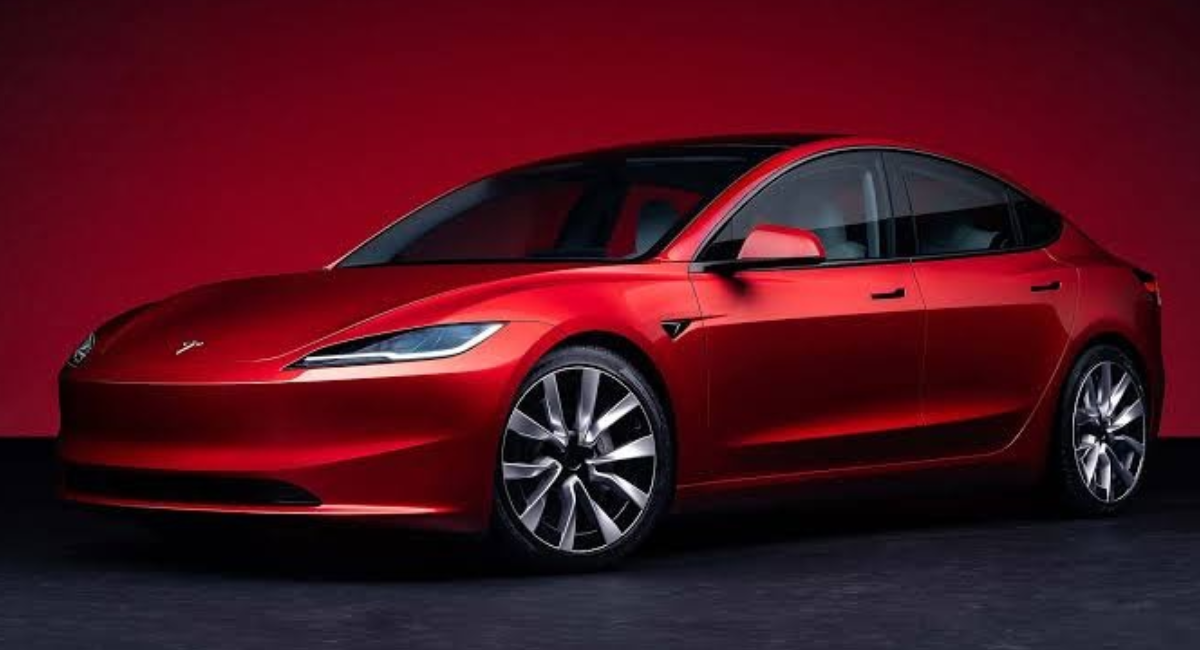
Tesla Electric Cars: Models and Key Features
Tesla electric cars have transformed modern transportation by combining battery-powered performance, advanced technology, and innovative vehicle design. These cars offer an alternative to traditional petrol vehicles, with electric motors, digital controls, and convenient charging options for everyday driving.
The growing popularity of Tesla electric cars reflects increasing interest in efficient transportation and reduced dependence on fossil fuels. Understanding their features, driving range, charging requirements, advantages, and ownership costs can help buyers decide whether a Tesla is the right choice.
What Are Tesla Electric Cars?
Tesla electric cars are battery-powered vehicles developed by Tesla, an automotive company known for its electric powertrains, software-based features, and charging technology. Unlike conventional cars, they use electric motors instead of petrol or diesel engines and produce no exhaust emissions while driving.
These vehicles store electricity in rechargeable battery packs that power their motors. Depending on the model and configuration, Tesla electric cars offer different driving ranges, acceleration levels, seating arrangements, and technology features to suit various transportation needs.
Popular Tesla Electric Car Models
Tesla offers several vehicle options designed for different lifestyles and driving preferences. The Model 3 is a sedan, the Model Y is a crossover SUV, and the Cybertruck provides a distinctive pickup-truck design. Availability and configurations vary by market. <Cite refs={[“turn105119search1″,”turn105119search5”]}/>
Choosing between these models requires considering passenger space, cargo capacity, performance, charging access, and budget. Buyers should compare current specifications for their region because equipment, prices, and available versions can change over time.
Tesla Model 3
The Tesla Model 3 is an electric sedan designed for everyday commuting, longer journeys, and comfortable personal transportation. Its streamlined body, digital interface, and responsive acceleration make it a strong option for drivers who want a compact vehicle with modern technology.
The Model 3 offers different configurations with varying performance and driving range. Buyers should review the official specifications, available features, warranty terms, and local pricing before deciding which version best matches their needs. <Cite refs={[“turn105119search1″,”turn105119search2”]}/>
Tesla Model Y
The Tesla Model Y is an electric crossover SUV that combines passenger comfort with flexible cargo space. Its higher body style and practical interior can appeal to households, commuters, and drivers who need room for luggage, shopping, or outdoor equipment.
Depending on the selected configuration and market, the Model Y offers different driving ranges, drivetrain options, and interior features. Its overall practicality makes it worth comparing with electric sedans and other compact SUVs before purchasing. <Cite refs={[“turn105119search5”]}/>
Tesla Cybertruck
The Tesla Cybertruck is an electric pickup truck with an angular exterior, distinctive body design, and utility-focused layout. It appeals to drivers interested in electric pickup technology, unconventional styling, and carrying equipment or cargo.
Its suitability depends on the driver’s requirements, local road conditions, parking space, and available charging infrastructure. Buyers should also check regional availability, vehicle dimensions, towing specifications, payload limits, and ownership costs before considering this model. <Cite refs={[“turn105119search5”]}/>
Key Features of Tesla Electric Cars
Tesla electric cars combine electric propulsion with software-controlled vehicle systems. Depending on the model and equipment, drivers may receive touchscreen controls, navigation, smartphone integration, driver-assistance features, remote vehicle access, and over-the-air software updates.
These technologies can improve convenience and help drivers monitor their vehicles. However, some features may require compatible hardware, subscriptions, or additional purchases, so buyers should confirm what’s included with their chosen model. <Cite refs={[“turn105119search0″,”turn105119search1”]}/>
Electric Motor Performance
Electric motors deliver power without the traditional engine and multi-speed transmission arrangement found in many petrol-powered vehicles. This design enables smooth acceleration, quiet operation, and responsive power delivery during everyday driving.
Performance varies by model, battery configuration, and drivetrain. Some Tesla versions prioritize efficiency and comfort, while performance-oriented configurations focus on faster acceleration and handling for drivers seeking a more dynamic experience.
Touchscreen and Digital Controls
Tesla vehicles feature a central touchscreen that provides access to many driving and entertainment functions. Depending on the model, the interface can display navigation, battery status, climate settings, media controls, charging information, and other vehicle settings.
A digital interface reduces the need for many traditional dashboard buttons, though drivers may need time to get familiar with the controls. Learning essential functions while parked helps drivers use the system more comfortably and avoid unnecessary distractions on the road.
Smartphone Connectivity
The Tesla mobile app provides supported remote-access functions for compatible vehicles. Depending on the vehicle and software, owners may be able to check charging status, monitor location, control cabin temperature, and manage selected vehicle settings through their phones.
These features can make daily ownership more convenient, particularly when preparing for a journey or checking the vehicle while away. App functionality depends on connectivity, account access, vehicle configuration, and the availability of supported services.
Battery Range and Driving Efficiency
Driving range is the distance an electric car can travel before its battery needs recharging. Tesla electric cars offer different ranges depending on the model, battery configuration, wheel selection, driving conditions, and applicable testing standards.
Official range estimates provide a useful starting point when comparing vehicles, but real-world results can differ. Highway speeds, air conditioning, heating, temperature, road gradients, and driving habits all affect electricity consumption and the distance you can drive between charging stops.
Factors That Affect Driving Range
Weather conditions can affect battery performance, especially in very hot or cold weather. Using cabin heating or air conditioning, driving at high speeds, and carrying additional weight can also increase energy consumption and reduce the available range.
Drivers can improve efficiency by accelerating smoothly, driving sensibly, maintaining proper tire pressure, and planning routes. Checking the vehicle’s estimated remaining range before longer journeys also helps drivers plan charging stops more confidently.
Understanding Battery Life
Tesla battery packs are designed for repeated charging and discharging over many years. Like other rechargeable batteries, their capacity gradually changes with use, age, temperature exposure, and charging patterns.
Owners can support battery health by following the charging recommendations for their specific vehicle. Checking warranty conditions, reviewing battery-related guidance, and using suitable charging equipment can help maintain dependable performance throughout ownership.
Charging Tesla Electric Cars
Charging is essential to owning an electric vehicle. Tesla electric cars can generally be charged at home using compatible equipment or at public charging stations, including Tesla Superchargers where available and compatible.
The time required depends on the charger’s power output, the vehicle’s charging capabilities, battery temperature, and current charge level. Planning around everyday parking and travel habits can make charging more convenient than relying entirely on public charging locations.
Home Charging
Home charging allows owners to replenish their vehicle’s battery while parked, often overnight. A compatible home charging installation can reduce the need for frequent visits to public stations and help drivers begin each day with sufficient battery power.
Before installing charging equipment, check the property’s electrical capacity, installation requirements, and local regulations. Renters and apartment residents may need permission from property managers or access to shared charging facilities.
Tesla Supercharger Network
Tesla’s Supercharger network provides rapid charging at supported locations, helping drivers replenish their batteries during longer journeys. Charging speeds vary by vehicle, battery condition, station capabilities, and other operating factors.
Before traveling, use the vehicle’s navigation system or official charging information to confirm station availability and compatibility. Charging costs, payment methods, and network access may vary by location, so checking these details beforehand helps prevent unexpected delays. <Cite refs={[“turn105119search0″,”turn105119search1”]}/>
Public Charging Stations
Public charging stations offer options for people who cannot install home charging equipment or need energy on the go. Depending on the location, chargers may be available at shopping centers, workplaces, hotels, parking facilities, and dedicated charging hubs.
Before relying on a public charger, check its connector compatibility, charging speed, access requirements, and pricing. A well-planned mix of home and public charging can make EV ownership more practical for different lifestyles.
Benefits of Tesla Electric Cars
One major advantage of Tesla electric cars is their electric powertrain, which removes the need for petrol or diesel during normal operation. Owners may also benefit from reduced routine maintenance requirements because electric vehicles have fewer conventional engine components and no engine oil changes.
Other potential benefits include quiet driving, responsive acceleration, regenerative braking, and access to connected vehicle features. The overall value depends on electricity prices, insurance, purchase costs, driving habits, repair expenses, and the charging options available to each owner.
Lower Routine Maintenance Requirements
Electric vehicles generally require fewer engine-related maintenance tasks than petrol-powered vehicles. Tesla owners don’t need routine engine oil changes, and electric drivetrains have fewer moving parts than combustion engines.
However, maintenance is still necessary. Tires, brakes, cabin filters, suspension components, coolant systems, and other parts may require inspection or replacement based on the manufacturer’s schedule and actual use.
Reduced Tailpipe Emissions
Tesla electric cars produce no tailpipe emissions while driving because they do not burn petrol or diesel in an onboard engine. This can help improve local air quality compared with conventional vehicles, particularly in areas with heavy road traffic.
The overall environmental impact also depends on electricity generation, battery manufacturing, vehicle production, and battery recycling. Charging with electricity from lower-emission sources can further reduce the vehicle’s operational carbon footprint.
Convenient Driving Technology
Connected navigation, charging information, remote controls, and selected driver-assistance features can make everyday travel easier. Software updates may also improve or change supported vehicle functions over time.
Nevertheless, technology should support responsible driving rather than replace attention behind the wheel. Drivers must understand the limitations of assistance systems and remain responsible for vehicle control whenever required.
Costs of Owning Tesla Electric Cars
The purchase price is only one part of owning a Tesla. Buyers should also account for charging expenses, insurance, registration, tires, maintenance, financing, depreciation, and any applicable taxes or import duties.
Electricity may cost less than petrol for an equivalent distance, but savings depend on local energy rates and charging habits. Comparing the expected total cost over several years provides a more realistic picture than choosing a vehicle based on its advertised price alone.
Read Also: Best Online Learning Platforms in 2026: Top Websites for Online Education and Skill Development
Purchase Price and Financing
Tesla vehicle prices vary by model, configuration, country, and available incentives. Optional equipment, delivery fees, taxes, financing terms, and currency fluctuations can also affect the final amount a buyer pays.
Before committing to a purchase, compare official local pricing and calculate monthly payments alongside insurance and charging costs. Buyers should also review warranty coverage and resale-value expectations to understand the longer-term financial commitment.
Charging Expenses
Charging costs depend on the vehicle’s electricity use and the price per kilowatt-hour. Home electricity rates, public charging fees, and peak-time pricing can produce different running costs for the same distance.
A useful estimate is to multiply expected electricity consumption by the local electricity price. Actual costs will vary with driving conditions, charging losses, climate, and how much charging happens at home versus public stations.
Insurance and Repairs
Insurance premiums depend on the vehicle model, location, driver profile, coverage level, and insurer. Repair expenses also vary with parts availability, the type of damage, local service capacity, and whether you use approved repair facilities.
Getting insurance quotations before buying helps avoid unexpected expenses. Buyers should also confirm access to qualified service providers and understand how to obtain replacement parts in their region.
Tesla Electric Cars in Pakistan
Interest in Tesla electric cars may appeal to Pakistani drivers looking for alternatives to petrol-powered vehicles. However, practical ownership depends on import availability, local regulations, vehicle registration, charging access, spare parts, and qualified repair services.
Anyone considering a Tesla in Pakistan should verify the specific vehicle’s import and registration requirements, charging compatibility, warranty coverage, and after-sales support. Import duties, exchange rates, and limited access to service can significantly affect the total cost of ownership.
Charging Infrastructure in Pakistan
Charging access is an important consideration for electric vehicle ownership in Pakistan. Buyers should check for compatible public chargers along their regular routes and determine whether a safe home-charging installation is possible.
Long-distance travel requires additional planning because charging availability may vary between cities and rural areas. Confirming station locations, connector compatibility, electrical requirements, and backup travel options before purchasing can help prevent practical difficulties.
Importing a Tesla Into Pakistan
Importing a Tesla may involve vehicle documentation, customs duties, taxes, compliance requirements, and registration procedures. Rules can change, so prospective buyers should consult the relevant Pakistani authorities and experienced import professionals before making financial commitments.
Also verify the vehicle’s history, battery condition, charging compatibility, and warranty status. A low purchase price may not represent good value if replacement parts, repairs, or charging arrangements are difficult to obtain.
Safety Features and Driver Assistance
Tesla vehicles include various safety systems designed to help drivers identify hazards and respond to certain driving situations. Depending on the model and configuration, these may include collision warnings, emergency braking, lane-related assistance, cameras, and parking support.
Driver-assistance technology does not eliminate the risk of accidents. Drivers must remain attentive, follow traffic laws, and understand each feature’s limits, including any requirements for active supervision. <Cite refs={[“turn105119search0″,”turn105119search1”]}/>
Understanding Driver-Assistance Technology
Driver-assistance systems can support tasks such as maintaining speed, helping with lane positioning, or warning about potential collisions. Their availability and performance depend on the vehicle, installed hardware, software version, road conditions, and local regulations.
These systems should never be treated as permission to stop paying attention. Drivers must follow the manufacturer’s instructions, keep their eyes on the road, and be prepared to take control whenever necessary.
Vehicle Safety and Maintenance
Regular inspections help keep important vehicle systems in good working condition. Tyre condition, brake performance, suspension components, lights, and software-related safety notices should receive appropriate attention throughout ownership.
Prospective buyers can review independent crash-test results where available and check the safety ratings for the exact model and model year. Safety equipment and ratings can differ between markets, so comparisons should use relevant regional information.
Tesla Electric Cars Compared With Petrol Cars
Tesla electric cars and petrol-powered vehicles differ in their energy sources, maintenance requirements, driving experience, and refueling routines. Electric vehicles offer quiet operation and the convenience of home charging, while petrol vehicles may offer easier refueling in regions with limited charging infrastructure.
The better option depends on daily mileage, purchase budget, access to electricity, travel frequency, and local service availability. Comparing both vehicle types using realistic ownership costs helps buyers decide based on their actual needs rather than general assumptions.
Frequently Asked Questions
Are Tesla Electric Cars Worth Buying?
Tesla electric cars may be worth considering for drivers who value electric performance, connected technology, and convenient charging. The decision depends on the purchase price, local charging infrastructure, insurance, maintenance, and expected driving needs.
How Long Does a Tesla Battery Last?
Battery lifespan depends on usage, age, temperature, charging habits, and the specific vehicle. Tesla provides model-specific battery and drive-unit warranty terms, but a warranty does not guarantee that battery capacity will remain unchanged throughout the vehicle’s life.
Can Tesla Electric Cars Be Charged at Home?
Yes, compatible Tesla vehicles can generally be charged at home using suitable charging equipment. Installation requirements depend on the electrical supply, property, vehicle, and local regulations, so professional assessment may be necessary.
Are Tesla Electric Cars Environmentally Friendly?
Tesla electric cars produce no tailpipe emissions during driving, which can reduce local exhaust pollution. Their overall environmental impact also depends on electricity sources, battery production, manufacturing processes, and end-of-life recycling.
Are Tesla Electric Cars Available in Pakistan?
Availability and import arrangements can vary. Prospective buyers should confirm current import regulations, registration requirements, charging compatibility, warranty coverage, and service support before purchasing a vehicle.
Do Tesla Electric Cars Require Regular Maintenance?
Yes. Although electric vehicles generally need fewer engine-related maintenance tasks, they still require attention to tires, brakes, suspension, filters, and other components. Following the manufacturer’s maintenance guidance helps ensure safe, reliable operation.
Conclusion
Tesla electric cars represent an important development in modern transportation, combining battery-powered driving with digital technology, responsive performance, and different vehicle styles. Models such as the Model 3, Model Y, and Cybertruck serve different needs, from everyday commuting to passenger transport and utility-focused driving.
Before choosing a Tesla, evaluate driving range, charging access, purchase price, insurance, maintenance, and local service availability. Careful research and realistic cost comparisons can help you decide whether a Tesla electric car suits your lifestyle, budget, and long-term transportation needs.
Leave a Comment