
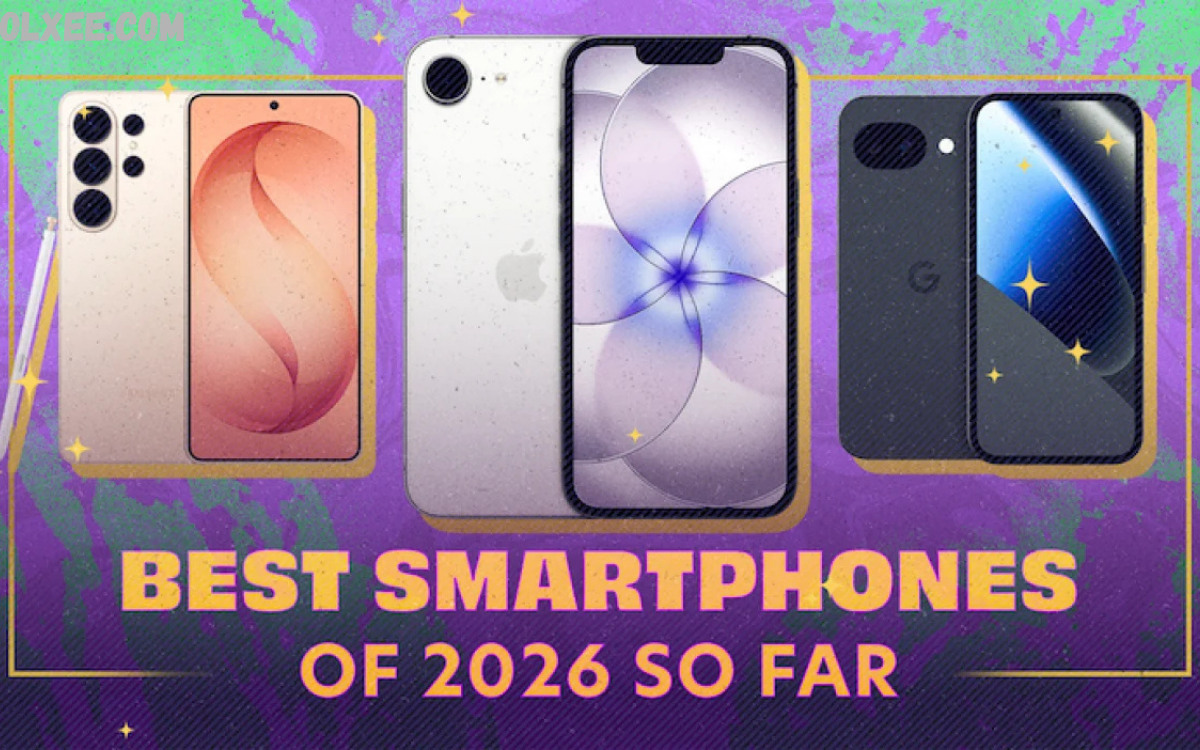
Smartphones keep getting better, sometimes in ways that feel incremental, sometimes in ways that genuinely change how you use the thing day to day. 2026 has been one of the more interesting years for flagship phones: better cameras, smarter on-device AI, brighter screens, and batteries that finally don’t make you anxious by 4 PM.
If you’re trying to figure out which phone is worth your money this year, the honest answer is it depends on what you actually do with your phone. A mobile gamer and a business traveler aren’t shopping for the same thing, even if they’re both looking at “flagship” devices from Apple, Samsung, Google, OnePlus, or Motorola.
What’s Actually Changed This Year?
It’s easy to roll your eyes at “this year’s phones are smarter than ever” marketing copy, but a few things really have moved the needle in 2026:
- AI photography that does more than just smooth out skin tones
- Faster, more efficient chipsets that run cooler under load
- Batteries that last noticeably longer without ballooning the phone’s thickness
- Brighter, more color-accurate OLED panels
- Satellite connectivity that’s no longer just an emergency-SOS gimmick
- Longer software support windows across the board
- Charging speeds that make “forgot to charge overnight” less of a crisis
None of this is revolutionary on its own. Together, though, it’s enough to make an upgrade feel worthwhile if you’re still on a phone from two or three years ago.
1. Apple iPhone 17 Pro Max
The Pro Max is still the phone most reviewers point to when they want a “safe, excellent” recommendation. It’s not flashy in a new way — it’s just really well executed, top to bottom.
What stands out: the A19 Pro chip handles everything you throw at it, the display is sharp and smooth at 120Hz, and the camera system remains the benchmark for video, especially if you plan to edit anything you shoot later. Battery life is dependable rather than spectacular, and the titanium build feels properly premium.
Good for: people already in the Apple ecosystem, video creators, and anyone who wants a phone that just works, with no learning curve.
Worth knowing: you’re paying for polish and longevity here, not for cutting-edge specs on paper.
2. Samsung Galaxy S26 Ultra
Samsung’s flagship is the closest thing to a “does everything” phone on this list. The display is genuinely the best in the industry right now, and the zoom camera makes other phones look a little embarrassing by comparison.
The S Pen is still here, still useful if you actually take notes or sketch on your phone, and the Snapdragon chip inside keeps multitasking smooth even with a dozen apps open. Samsung has also gotten serious about long-term software updates, which used to be its weak spot.
Good for: business users juggling a lot, photographers who care about zoom range, and anyone who wants a stylus without buying a separate device.
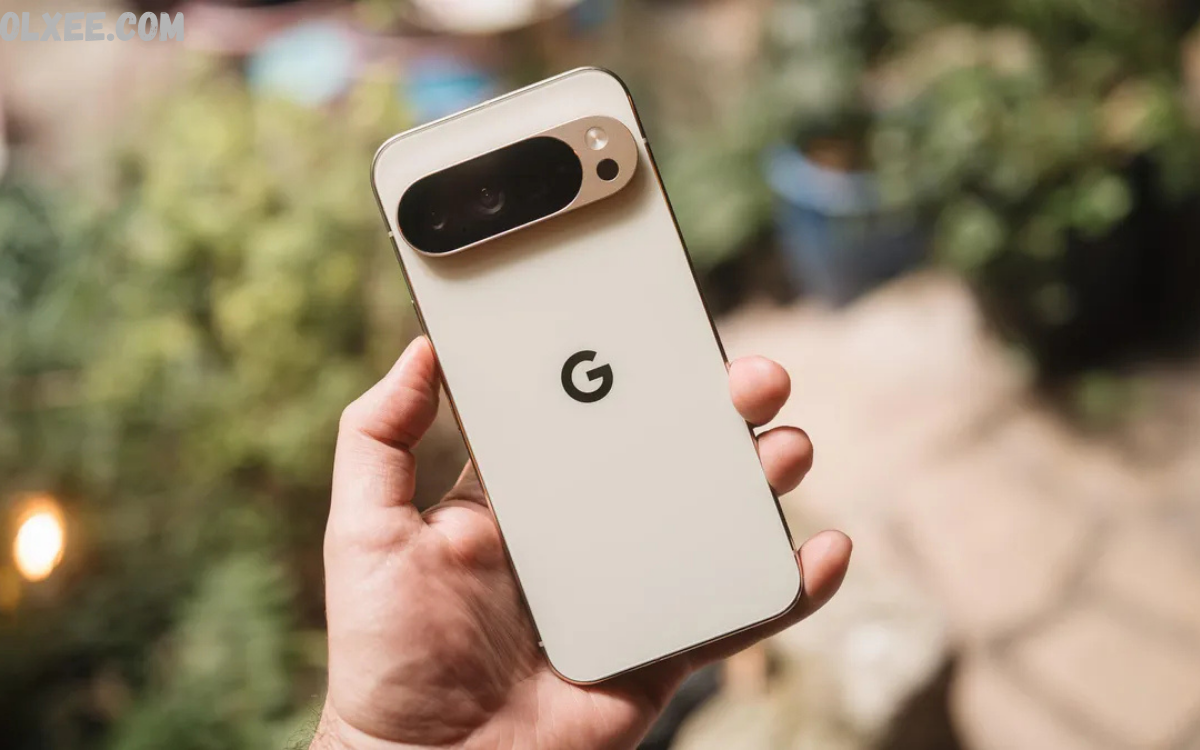
3. Google Pixel 10 Pro
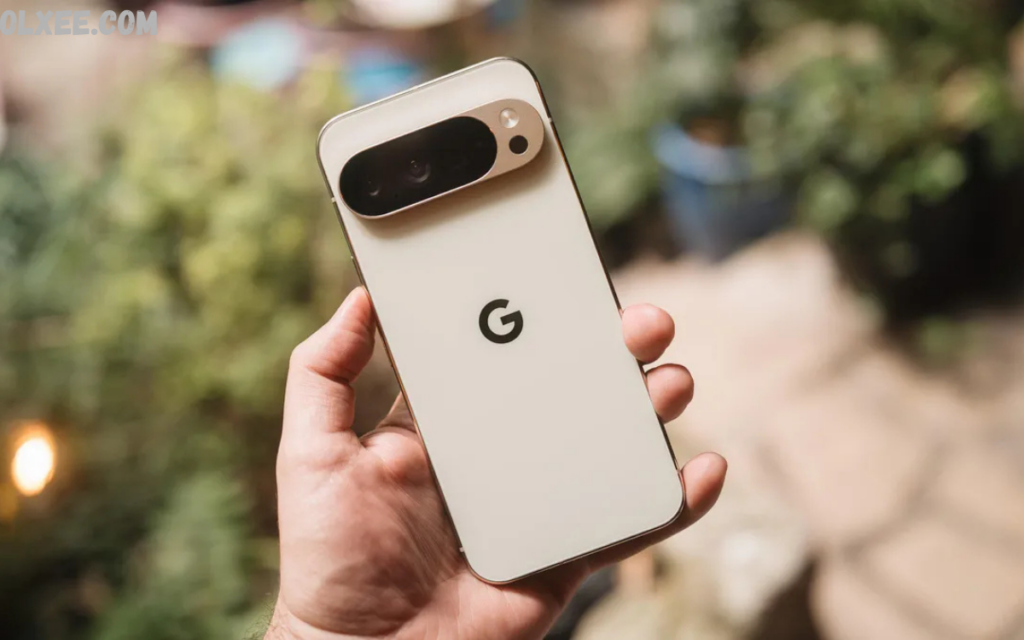
Google Pixel 10 Pro
The Pixel is the phone for people who want Android in its purest, least cluttered form — and who want AI features that actually feel useful instead of bolted on. Google’s computational photography is still arguably the smartest in the business, particularly in tricky lighting.
Updates land fast here, the software stays clean, and the AI assistant integration goes deeper than what you get on other Android phones.
Good for: Android purists, photography fans who don’t want to fuss with manual settings, and anyone who values getting updates the day they’re released.
4. OnePlus 15
OnePlus has built its reputation on giving you 90% of the flagship experience for noticeably less money, and the 15 keeps that streak going. Charging speed is the headline feature — it’s fast enough to change how you think about topping up your battery. Performance is excellent for gaming, and the battery itself lasts well even under heavy use.
Good for: gamers, power users, and anyone who wants flagship specs without quite paying flagship prices.
Read Also: Best Cybersecurity Tools: A Complete Guide to Protecting Your Digital World
5. Motorola Edge (2026)
Motorola’s entry isn’t trying to compete at the very top — it’s aiming for people who want most of the premium experience without the premium price tag. It’s light, the screen is bright, the camera is more capable than you’d expect at this price, and the battery comfortably gets you through a full day.
Good for: budget-conscious buyers, everyday users, and travelers who don’t want to baby an expensive phone.
Camera Comparison
- Best overall camera: Samsung Galaxy S26 Ultra — the zoom range and low-light performance are hard to beat, and the pro shooting modes give you real control.
- Best video: iPhone 17 Pro Max — stabilization and color accuracy that hold up even after heavy editing.
- Best AI photography: Google Pixel 10 Pro — natural-looking results without a lot of manual tweaking.
Battery Life
Battery technology has quietly had a strong year. The OnePlus 15, Galaxy S26 Ultra, iPhone 17 Pro Max, and Motorola Edge all handle a full day of heavy use without drama, and some mid-range models are starting to push past that, too.
Performance
Flagship chips this year handle gaming, video editing, and heavy multitasking without breaking a sweat, and they’re doing it while running cooler than previous generations. That efficiency gain matters more than the raw speed bump, honestly — fewer phones throttling mid-game is a real quality-of-life improvement.
Display Quality
OLED panels across the board are brighter and more accurate than they were even a year or two ago, with adaptive refresh rates that adjust on the fly. Samsung still leads here, but Apple and Google aren’t far behind — the gap has narrowed considerably.
AI Features Worth Knowing About
AI is everywhere in phone marketing this year, but a handful of features have actually proven useful in daily life: live translation, smart photo editing, voice transcription, call summaries, and AI-assisted writing. None of these are gimmicks anymore — they save real time if you use your phone for work.
Gaming Performance
If gaming is a priority, the Galaxy S26 Ultra and OnePlus 15 are the two to look at — both have the cooling, GPU power, and low input latency to handle demanding titles without stuttering.
Software Experience
Hardware only gets you so far. Apple still has the edge on long-term support, Google ships Android updates the fastest, and Samsung has closed the gap considerably with extended update commitments. Whichever ecosystem you pick, you’re not getting stuck with an outdated phone in two years like you might have been a few years back.
Foldables Are Maturing
Foldable phones are no longer the novelty they were — they’re sturdier, the displays last longer, and Samsung’s Galaxy Z Fold line continues to lead the category, with other manufacturers experimenting with their own takes on the form factor.
Which One Should You Actually Buy?
Get the iPhone 17 Pro Max if you want the best video camera, long-term software support, and you’re already tied into Apple’s ecosystem.
Get the Galaxy S26 Ultra if you want the best screen, a serious zoom camera, and S Pen functionality for productivity.
Get the Pixel 10 Pro if you care most about smart AI features and clean, fast software.
Get the OnePlus 15 if you want flagship performance and fast charging without paying full flagship price.
Get the Motorola Edge (2026) if you want solid performance on a tighter budget.
A Few Things to Think About Before You Buy
Price matters, obviously, but so does how you’ll actually use the phone. Think through your camera needs, how much battery life you realistically need, whether gaming performance matters to you, how much storage you’ll actually fill, and how long you want software support to last. Charging speed and ecosystem compatibility (do you already own AirPods, a Galaxy Watch, etc.) are easy to overlook but make a real difference day to day.
What’s Coming Next
Looking past this year, expect even more on-device AI, better battery chemistry, faster wireless charging, more refined foldables, and continued investment in satellite connectivity and privacy features. Sustainability is also becoming a bigger talking point, with manufacturers leaning into recycled materials.
The Bottom Line
There’s no single “best” phone in 2026 — there’s a best phone for what you need. The iPhone 17 Pro Max is the safe, polished choice. The Galaxy S26 Ultra is the do-everything productivity powerhouse. The Pixel 10 Pro is for people who want AI done right. The OnePlus 15 is the value pick that doesn’t feel like a compromise. And the Motorola Edge is proof you don’t need to spend a fortune to get a genuinely good phone. Figure out what matters most to you, and the right choice gets a lot easier to see.