
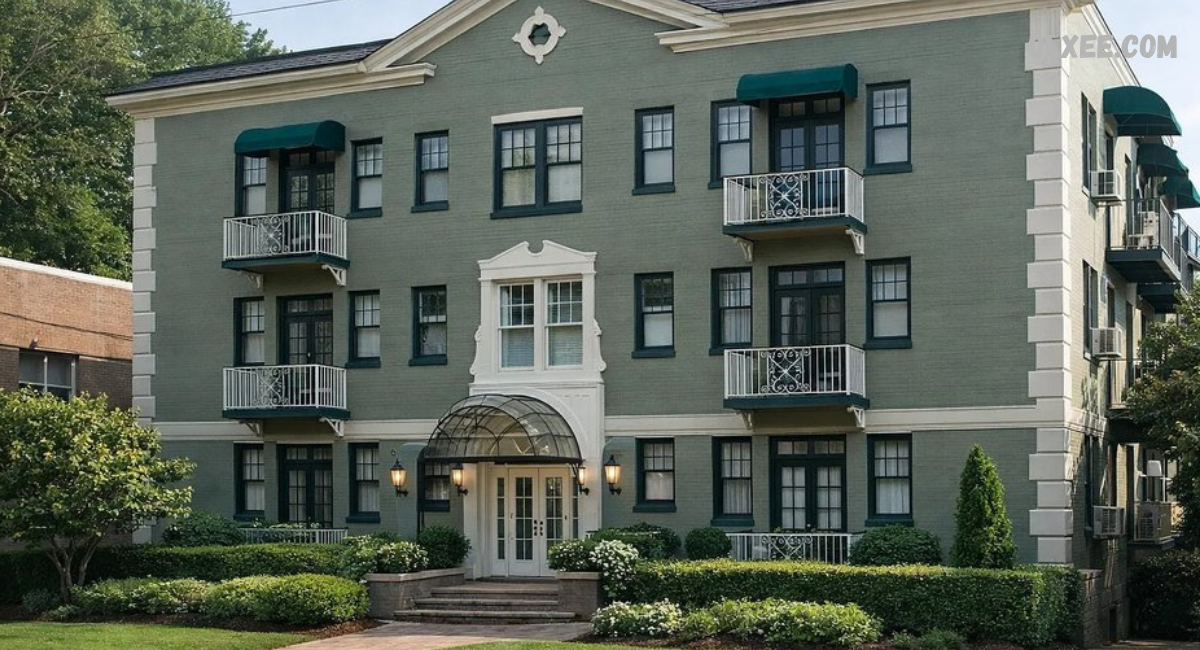
Apartments for Rent: A Complete Guide to Finding the Right Home
Finding the right Apartments for Rent requires more than choosing a property with an attractive appearance. Location, monthly rent, apartment size, amenities, neighborhood conditions, lease terms, transportation, and overall living costs can influence whether a rental property suits your needs.
A well-planned apartment search helps renters compare available properties with greater confidence. Understanding the rental process, preparing the required documents, checking property conditions, and reviewing lease details can make the experience more organized and reduce avoidable problems.
Understanding Apartments for Rent
Apartments for Rent are residential units available for temporary occupancy under a rental agreement between a property owner or management company and a tenant. Apartments range from compact studios to large multi-bedroom homes, giving renters options based on household size, lifestyle, and budget.
Rental apartments may be located in residential buildings, high-rise towers, gated communities, mixed-use developments, or smaller properties. Each type can offer different features, including parking, security, elevators, fitness facilities, shared outdoor areas, laundry services, or other amenities.
Why Location Matters
Location remains one of the most important factors when searching for an apartment. A property close to workplaces, schools, shopping areas, public transportation, healthcare facilities, and recreational spaces can make daily routines more convenient and may reduce transportation expenses.
Renters should examine the surrounding neighborhood before signing a lease. Traffic, noise levels, parking availability, nearby construction, street conditions, public transport access, and general surroundings can affect the everyday experience of living in the apartment.
Setting an Apartment Rental Budget
Create a realistic rental budget before contacting landlords or arranging property visits. Monthly rent is only one part of housing expenses, so renters should also consider utilities, internet, parking fees, maintenance charges, deposits, transportation, and other recurring costs.
A clear budget makes it easier to narrow down suitable Apartments for Rent without wasting time on properties outside financial limits. Comparing total monthly expenses, not just rent, gives a more accurate picture of the actual cost of living.
Choosing the Right Apartment Size
Apartment size should match the number of occupants and how you plan to use each room. A studio or one-bedroom apartment may suit an individual, while larger households may require two-bedroom, three-bedroom, or larger layouts with additional living and storage space.
Renters should consider current and future needs when choosing an apartment size. A property that appears affordable may become inconvenient if it lacks sufficient storage, workspace, bedrooms, or common living areas required for comfortable daily use.
Apartment Layout and Floor Plan
A floor plan can reveal important information that photographs may not show clearly. Room dimensions, hallway space, kitchen placement, bathroom access, windows, storage areas, and connections between rooms can help renters determine whether an apartment fits their lifestyle.
When comparing Apartments for Rent, consider how furniture will fit into each room and how people will move through the property. An apartment with fewer square feet can sometimes feel more practical than a larger unit with an inefficient layout.
Furnished and Unfurnished Apartments
Furnished apartments usually include essential household items such as beds, sofas, tables, chairs, appliances, and other furniture. They offer convenience for renters who need temporary accommodation or prefer not to buy and move furniture.
Unfurnished apartments offer more freedom to choose furniture and arrange the living space to suit personal preferences. Renters should compare rental prices, furniture quality, lease duration, and moving costs before deciding between furnished and unfurnished options.
Checking Apartment Amenities
Amenities can significantly influence the convenience and overall appeal of a rental property. Depending on the building, features may include parking, elevators, laundry facilities, swimming pools, fitness centers, shared lounges, gardens, security systems, storage areas, and controlled building access.
Renters should identify which amenities are genuinely useful rather than selecting a property based solely on an impressive list of features. Some amenities may involve additional fees, so confirm their availability and associated costs before signing a lease.
Evaluating Apartment Condition
Inspect the property before moving into any apartment. Check walls, ceilings, floors, windows, doors, cabinets, plumbing fixtures, electrical outlets, appliances, heating or cooling systems, and visible signs of moisture or damage.
Documenting existing issues can protect both renters and property owners by creating a clear record of the apartment’s condition. Photographs or written inspection notes can help when discussing repairs or returning a security deposit later.
Understanding Rental Prices
Rental prices vary according to location, apartment size, building quality, amenities, demand, and local housing conditions. Two apartments with similar floor areas can have significantly different rents because of differences in neighborhood, building facilities, condition, or accessibility.
When comparing Apartments for Rent, examine several properties rather than focusing on one listing. Comparing prices alongside apartment size, included utilities, amenities, parking, maintenance charges, and lease terms can give a more complete sense of value.
Security Deposits and Additional Fees
Many rental agreements require a security deposit before occupancy. The amount and conditions for returning the deposit depend on the rental agreement and applicable local regulations. Renters should understand these terms before making a payment.
Additional charges may include application fees, parking fees, maintenance costs, utility charges, pet-related fees, amenity fees, or move-in expenses. Asking for a complete breakdown of expected costs helps prevent unexpected financial obligations.
Reviewing the Rental Agreement
A rental agreement is an important legal document that establishes the responsibilities of the tenant and property owner. It may specify rent, payment dates, lease duration, deposits, maintenance responsibilities, property rules, renewal conditions, and procedures for ending the tenancy.
Read every section carefully before signing. Pay particular attention to clauses concerning rent increases, early termination, repairs, subleasing, guests, pets, parking, renewal, security deposits, and notice requirements. Clarify questions before the agreement becomes binding.
Lease Duration and Renewal Terms
Rental properties may offer different lease durations, including short-term agreements, fixed-term leases, and longer arrangements. The right option depends on how long the renter expects to stay in the property and how much flexibility they need.
Renewal terms deserve careful attention because the conditions may change when the initial lease ends. Renters should understand required notice periods, possible rent changes, renewal procedures, and circumstances under which either party may choose not to renew.
Short-Term Apartments for Rent
Short-term Apartments for Rent can provide flexibility for people who need temporary accommodation. They may suit individuals relocating for work, studying for a limited period, completing a project, or waiting for a permanent residence.
Short-term rentals may have higher monthly rates than comparable long-term arrangements because they can include furniture, utilities, services, or greater flexibility. Renters should compare the complete cost and confirm exactly what is included in the rental price.
Long-Term Apartment Rentals
Long-term rentals can provide greater residential stability and may offer more predictable housing arrangements. They often suit renters who expect to stay in one area for an extended period and prefer a consistent home environment.
Before choosing a long-term apartment, evaluate the neighborhood, commute, building management, maintenance standards, nearby services, and future housing needs. A property may seem suitable during a short visit but become inconvenient if you overlook key daily needs.
Searching for Apartments Online
Online property platforms can make it easier to discover Apartments for Rent across different neighborhoods. Search filters often let renters choose price ranges, bedroom counts, property types, locations, amenities, and other preferences.
Treat online listings as an initial research tool, not a complete representation of a property. Photos may not reflect current conditions, and descriptions may not include every fee or restriction. Verify important details directly before making commitments.
Comparing Apartment Listings
A comparison list can simplify your apartment search. Record each property’s monthly rent, deposit, location, apartment size, amenities, utilities, parking arrangements, lease duration, and other relevant costs.
A structured comparison prevents attractive photographs or promotional descriptions from dominating the decision. Reviewing the same factors for every property makes it easier to identify meaningful differences between available rental apartments.
Questions to Ask Before Renting
Prospective renters should ask clear questions before signing a lease. Useful topics include total monthly costs, included utilities, maintenance procedures, parking, security, lease duration, renewal terms, guest policies, pet rules, and repair responsibilities.
It is also useful to ask how maintenance requests are handled and how quickly common problems are addressed. Clear communication before signing can help establish realistic expectations between the tenant and property management.
Apartment Safety and Security
Consider safety when evaluating Apartments for Rent. During a property visit, check entrances, locks, lighting, building access, emergency exits, smoke alarms, parking areas, and other relevant safety features.
The surrounding area also matters. Visit the neighborhood at different times when practical to understand traffic, noise, lighting, and general activity. Review local regulations and building policies when evaluating safety-related features.
Transportation and Parking
Transportation access can greatly affect everyday convenience. Renters should consider proximity to public transportation, major roads, workplaces, schools, shopping centers, and other destinations they regularly visit.
For people who own vehicles, parking availability deserves special attention. Determine whether parking is included, assigned, shared, paid separately, or available on a first-come basis. Confirm the rules before signing the rental agreement.
Pet-Friendly Apartments
Pet owners should confirm whether an apartment permits pets before scheduling a move. Buildings may restrict pets by type, size, number, or other conditions, and may require additional deposits or fees.
A pet-friendly apartment should also provide a suitable living environment for the household. Nearby walking areas, outdoor spaces, building rules, and local pet services can influence whether the property works well for both the renter and the pet.
Read Also: Best AI Tools for Students in 2026
Working From an Apartment
Remote work has made dedicated workspace an important consideration for many renters. An apartment with a suitable room, corner, natural lighting, reliable internet access, and a relatively quiet environment can support productive work routines.
Renters should consider electrical outlets, internet availability, noise from neighboring units, building activity, and available space when evaluating an apartment for remote work. A practical layout can make a significant difference without requiring a large property.
Energy Efficiency and Utility Costs
Energy efficiency can influence the total cost of renting an apartment. Insulation, windows, lighting, appliances, heating, cooling systems, and water fixtures can affect ongoing utility consumption.
Ask whether utilities are included in the monthly rent and which services must be paid separately. Reviewing previous utility information, when available, can help renters estimate monthly housing expenses more accurately.
Neighborhood Research
Researching the neighborhood before renting can reveal details that may not appear in an apartment listing. Look for nearby grocery stores, schools, healthcare facilities, parks, restaurants, public transportation, banks, and other services relevant to daily life.
Online maps, local information sources, and in-person visits can help you get a clearer picture of the area. Renters should consider both current convenience and future needs when selecting a neighborhood.
Avoiding Rental Scams
Rental scams can involve fake listings, misleading property information, requests for unusual payments, or people claiming to represent properties they don’t control. Renters should verify the property and the identity or authority of the person offering the rental.
Avoid rushing into a payment because someone claims the property will disappear from the market immediately. Review documents carefully, inspect the property when possible, and use legitimate rental channels and secure payment methods.
Preparing an Apartment Rental Application
Property managers may request information such as identification, employment details, income verification, rental history, references, or other documentation. Requirements vary by landlord, property, and local regulations.
Preparing commonly requested documents in advance can make the application process more efficient. Renters should provide accurate information and review application requirements carefully before submitting personal documents or paying application-related charges.
Moving Into a New Apartment
Once the rental agreement is finalized, create a practical moving checklist. Arrange utilities, internet service, moving transportation, furniture, essential household items, and any required building access before the move-in date.
During move-in, inspect the apartment again and compare its condition with the agreed inspection record. Record any new issues promptly and communicate maintenance concerns through the appropriate property management channel.
Making an Apartment Feel Like Home
Personalizing a rental apartment can improve comfort without making permanent changes to the property. Furniture arrangement, removable decorations, lighting, storage solutions, rugs, and artwork can help create a welcoming living environment.
Renters should follow lease requirements when making changes. Avoid permanent alterations unless you have written permission when required. A thoughtful arrangement can make even a modest apartment feel functional and comfortable.
Finding Apartments for Rent That Fit Your Lifestyle
The best apartment search begins with a clear list of priorities. Separate essential requirements from optional features, such as the minimum number of bedrooms, preferred location, maximum budget, transportation access, parking, and specific building amenities.
Once you’ve set priorities, compare Apartments for Rent using the same criteria. This approach reduces distractions and helps renters focus on properties that match their practical needs rather than appearance alone.
What should I consider when searching for Apartments for Rent?
Consider location, monthly rent, apartment size, building condition, transportation, parking, amenities, security, utility costs, and lease requirements. Comparing the complete monthly cost can provide a more accurate picture of affordability.
How much should I budget for an apartment?
The appropriate budget depends on income, household expenses, location, rental prices, and personal financial goals. Include rent, utilities, transportation, food, insurance, deposits, maintenance-related expenses, and other recurring costs when planning.
Should I inspect an apartment before signing a lease?
Yes, an inspection can help identify existing damage, maintenance issues, appliance problems, plumbing concerns, and other conditions. Documenting the apartment before moving in can also provide a useful record.
What documents may landlords request?
Requirements vary, but landlords may request identification, proof of income, employment information, rental history, references, and other application documents. Always provide sensitive information through appropriate and trustworthy channels.
Are furnished Apartments for Rent more expensive?
Furnished apartments can cost more because they include furniture and household items. Compare the added monthly cost with the expense and convenience of buying, moving, and maintaining your own furniture.
What questions should I ask a landlord?
Ask about rent, deposits, utilities, lease duration, renewal terms, maintenance, parking, building rules, pets, guest policies, repairs, and move-out requirements. Request important agreements in writing.
How can I identify a rental scam?
Watch for unusually low prices, pressure to pay quickly, requests for unusual payment methods, unavailable property viewings, inconsistent property information, and landlords who avoid normal verification procedures.
Can I negotiate apartment rent?
Negotiation depends on the landlord, property, local market, lease duration, and rental demand. Some owners may consider reasonable changes to rent or other terms, while others may offer fixed conditions.
What is included in apartment rent?
Included costs vary by property. Some rentals may include services such as water, maintenance, parking, or building amenities, while electricity, gas, internet, and other services may be billed separately.
When should I start searching for an apartment?
Starting early gives you more time to compare properties, gather documents, inspect apartments, understand lease terms, and plan your move. The ideal search period depends on the local rental market and your intended move-in date.
Conclusion
Finding suitable Apartments for Rent requires careful research, realistic budgeting, property inspections, neighborhood evaluation, and detailed lease review. A successful rental search balances monthly cost with location, space, condition, amenities, transportation, and long-term practicality.
Taking time to compare properties can help renters make informed housing decisions. Whether you’re looking for a short-term apartment or a long-term home, a structured process can make it easier to find a property that fits your budget, lifestyle needs, and everyday priorities.
Leave a Comment